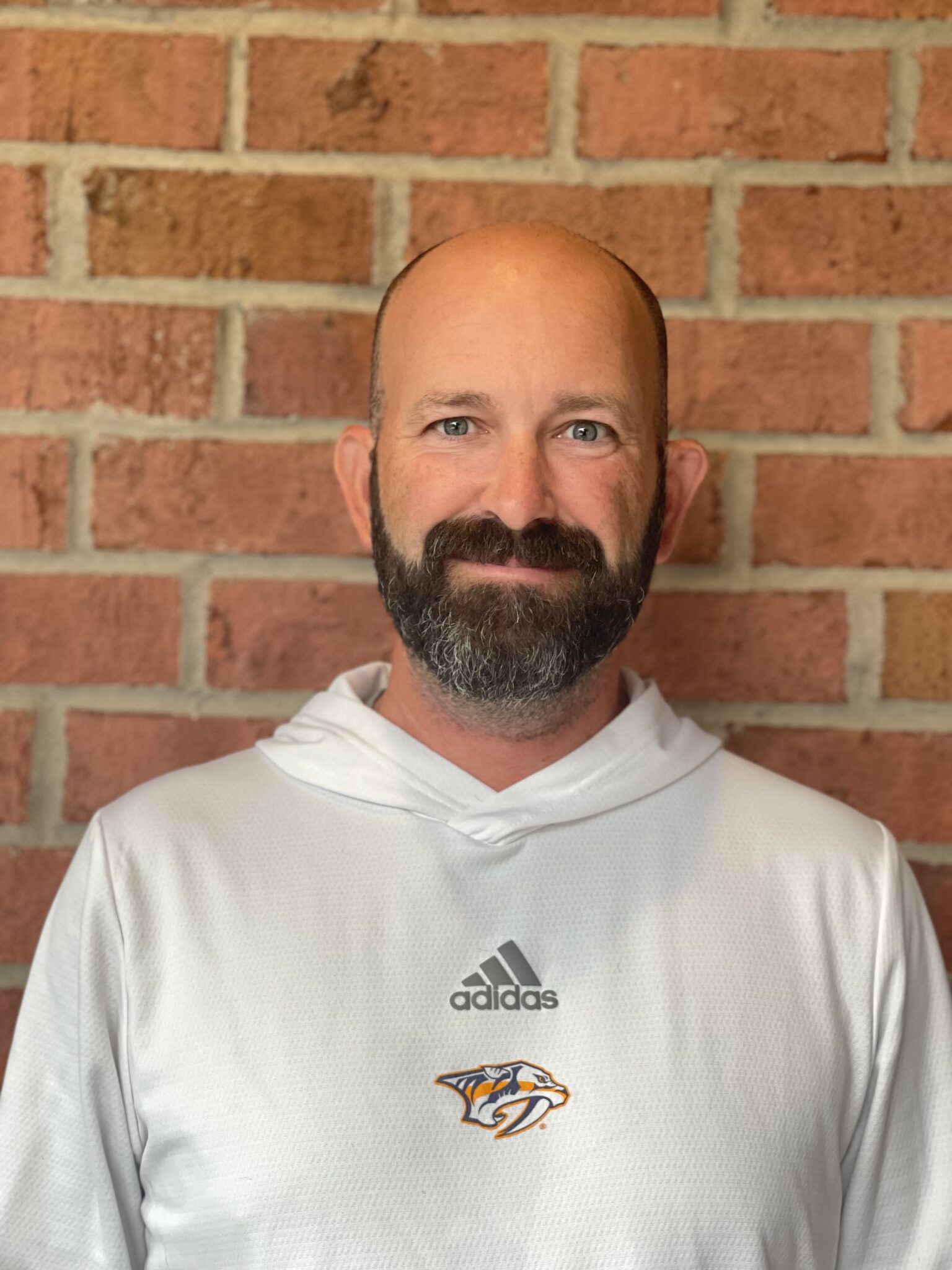
Steven Boo
Profectus Golf
18 Springhouse Lane, Nashville, Tennessee 37214, US
(615) 647-9349
boo@profectusgolf.com
Please indicate past awards won/recognitions:
Golf Digest Best in State, Other (Indicate specific awards below in 3-a)
Other awards won:
Member of Proponent Group
Total number of individual lessons given per year:
Male: 60
Female: 105
Junior: 700
Total number of individual clinics given per year:
96
Please indicate any Growth of the Game initiatives your facility/academy has launched over the past year (please give specifics on such programs):
My main coaching program is based around 20-30 Elite Competitive Juniors and 8-10 College players. Our facility is a resort course and does not promote local play. We are very limited on how we can build our programs.
Please share any programming you have made to keep your customers & students engaged:
I have worked to build programming that keeps players engaged beyond the traditional one-hour golf lesson. My goal is to create an environment where players feel like they are part of an ongoing development process rather than simply coming in for a swing check.
One of the primary ways I have done this is through the Profectus Elite Program, which I helped create and develop for competitive junior, collegiate and aspiring high-level players. The program combines individual coaching with structured performance practices, player development planning, tournament preparation and ongoing communication. Instead of every interaction being centered around technique, we use practice sessions to work on scoring skills, short game, putting, competitive games, decision-making and transferring skills to the golf course.
I also build individualized practice plans for players based on where they are in their season and what they are trying to accomplish. We use tournament results, statistics and player feedback to identify priorities, then adjust practice and coaching accordingly. Players are encouraged to take ownership by evaluating their own games, identifying what they need to improve and coming to sessions with questions and objectives.
For my more competitive players, engagement extends into tournament planning and competition. I help them determine what events make sense for their development, prepare for specific courses and tournaments, review rounds afterward and, when appropriate, travel to events to coach or caddie. This gives me a much better understanding of how their games actually perform under pressure and allows our training at home to become much more specific.
I have also tried to create programming that gives players a reason to spend more productive time practicing. Group performance practices, competitive games, skills testing, on-course sessions and measurable challenges allow players to compete with one another while still working toward their individual goals.
Ultimately, I believe retention and engagement come from players seeing a pathway forward. My programming is designed to help them understand where they are, where they want to go and what they need to do next. When players can see their improvement and take ownership of the process, they become much more invested in their development and in the game itself.