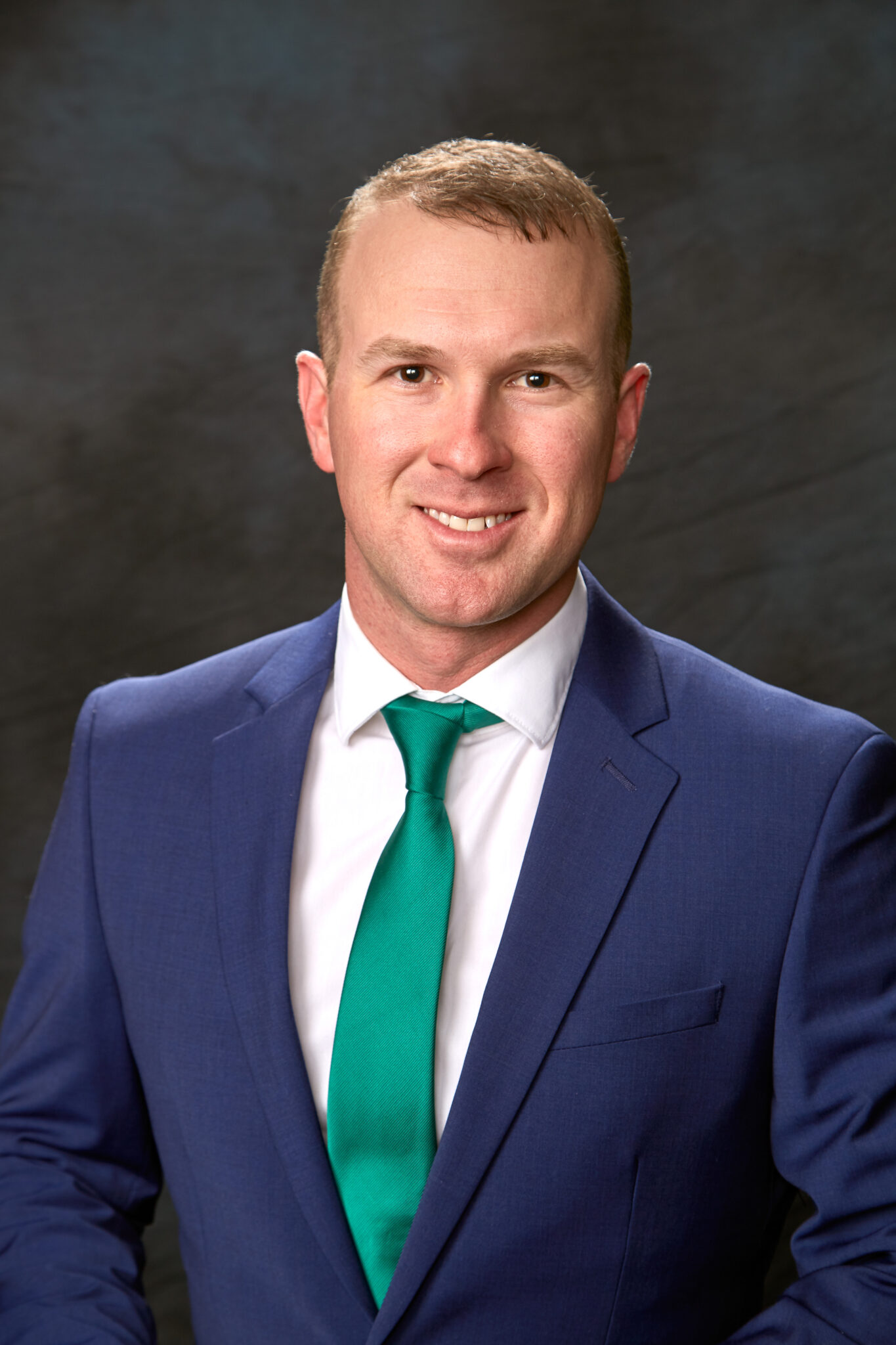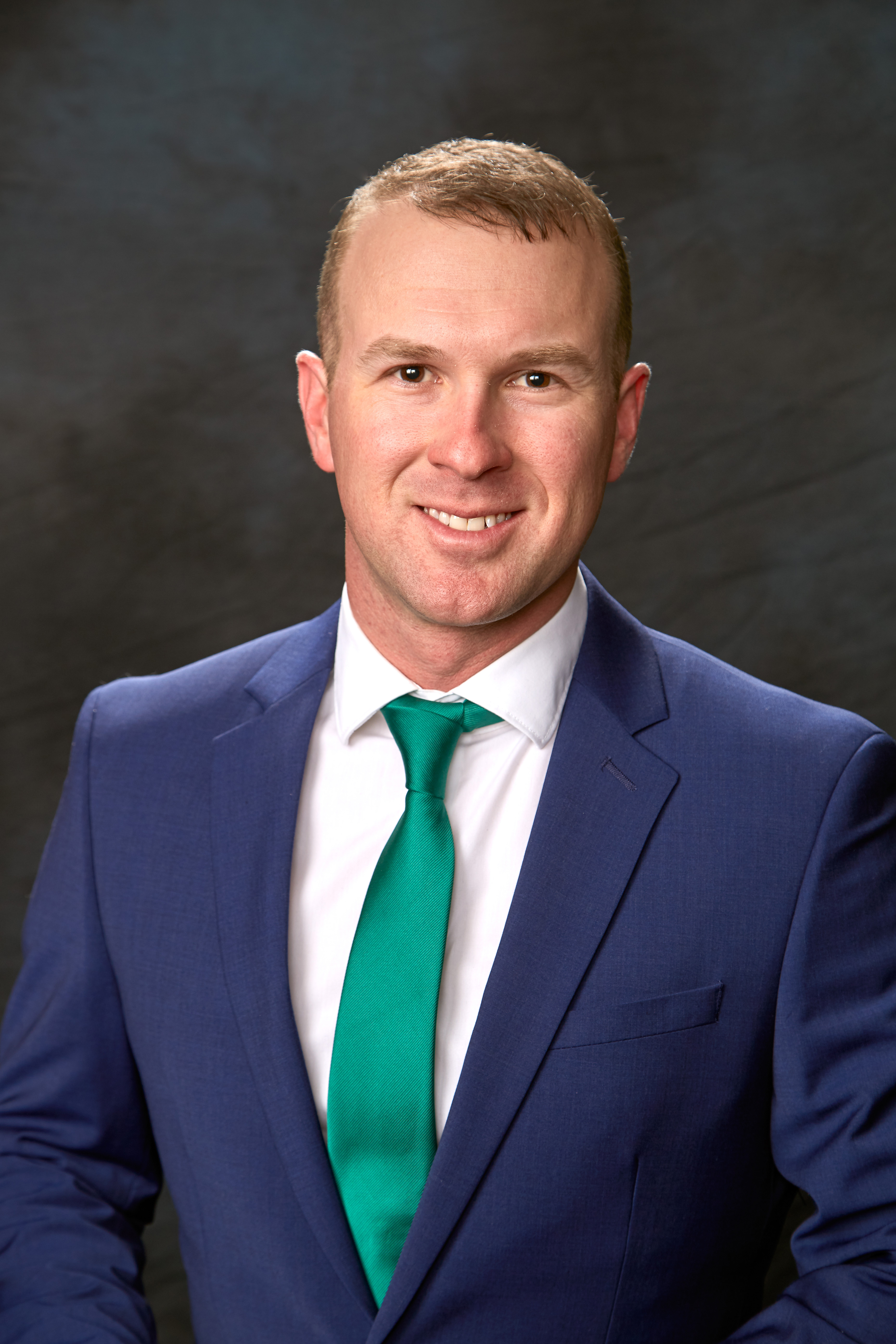
Cody Carter
Druid Hills Golf Club
740 Clifton Road NE, Atlanta, Georgia 30307, US
(404) 377-1766
ccarter1@pga.com
Please indicate past awards won/recognitions:
PGA Section Teacher of the Year, GRAA Growth of the Game Teaching Professional, Golf Digest Best in State, Other (Indicate specific awards in 3-a below)
Other awards won (if provided):
2024 Georgia PGA Section Player Development Award, 2017 Hilton Head PGA Chapter Teacher of the Year, 2019 Georgia PGA East Chapter Teacher of the Year, 2022 Georgia North Chapter Teacher of the Year, 2018-2026 Golf Digest Best Young Teachers in America, 2024-2027 GOLF Magazine Top Teachers to Watch List
Total number of individual lessons given per year:
Male: 600
Female: 250
Junior: 400
Total number of individual clinics given per year:
50
Please indicate any Growth of the Game initiatives your facility/academy has launched over the past year (please give specifics on such programs):
Over the past year, Druid Hills Golf Club has continued to grow the game through a three-tiered Junior Development pathway designed to introduce young golfers to the game and provide a clear progression from beginner to high-level competitive player.
Our Junior Academy, designed for ages 7–12, serves as our entry-level program. The primary goal is to introduce young golfers to the fundamentals of the game in a fun, welcoming environment and help them develop a lasting interest in golf.
Our Junior Player Development Program (PDP) is designed for ages 12–14 and serves as the bridge between learning the game and learning how to compete. Players must meet certain skill and participation requirements to join the program. The curriculum focuses on developing stronger fundamentals, course management, practice habits, and introducing players to junior tournament competition.
Our Elite Player Development Program (Elite PDP) is designed for ages 14–18 and is our most competitive junior program. The focus is on developing high-level competitive golfers through advanced instruction, performance training, tournament preparation, course strategy, and competitive play. The goal is to prepare players to compete at a high level and ultimately pursue opportunities to play collegiate golf.
Together, these three programs create a long-term development pathway for junior golfers at Druid Hills. Rather than having a single junior program, we are able to meet players at their current skill level and provide them with a clear path to continue progressing within the game.
In addition to our junior programming, we also launched and continue to operate a Ladies Golf Academy focused on beginner and newer female golfers. The academy provides a comfortable environment for women to learn the fundamentals, build confidence, and develop their skills. An important part of the program is helping participants transition from the academy into our Ladies Golf Association, giving them an opportunity to continue playing, meeting other members, and becoming more involved in the club.
Our overall goal with these initiatives is not simply to provide golf instruction, but to create pathways for golfers to stay involved in the game—from learning the basics, to playing socially, to competing, and ultimately becoming lifelong members of the golf community.
Please share any programming you have made to keep your customers & students engaged:
One of the biggest changes I have made to keep my customers and students engaged is incorporating Skillest into both my online and in-person lesson programs.
Skillest has allowed me to extend the coaching experience beyond the traditional lesson. Between lessons, I can communicate with players through video, send personalized drills and practice plans, provide feedback, and track their progress. This gives students specific things to work on between lessons rather than simply waiting until their next appointment.
For my in-person students, Skillest has become an important tool for maintaining continuity throughout the development process. I can record portions of lessons, provide videos and drills, and follow up with players to help keep them accountable to their practice goals. Students can also send videos of their practice or swings between lessons, allowing me to provide feedback and make adjustments without requiring them to wait for their next in-person lesson.
This has helped create a more continuous coaching relationship, rather than having each lesson function as an individual event. The combination of in-person instruction, online communication, personalized practice, video feedback, and accountability has helped keep students more engaged in their development and more connected to the coaching process throughout the year.