
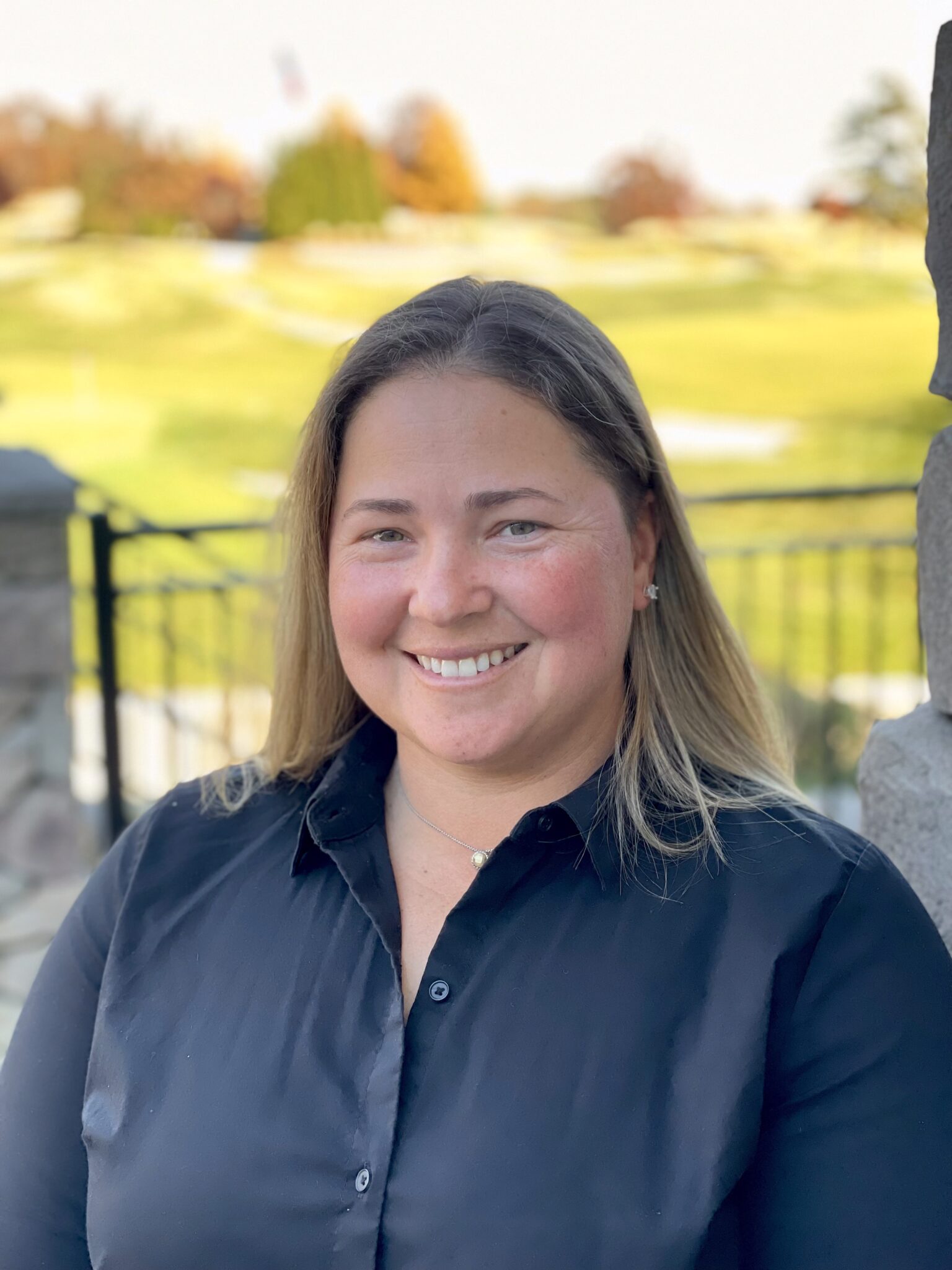
By Megan Leineweber, PGA
Most golf professionals can point to moments in their careers when someone believed in them before they fully believed in themselves. For me, those moments came from mentors who offered encouragement, opportunity and sometimes a challenge to think differently.
Those experiences helped shape my journey in the golf industry and ultimately led me to my current role as PGA of America Head Golf Professional at Stonewall Links in Elverson, Pennsylvania. More importantly, they shaped how I approach mentoring the next generation of professionals entering our industry.
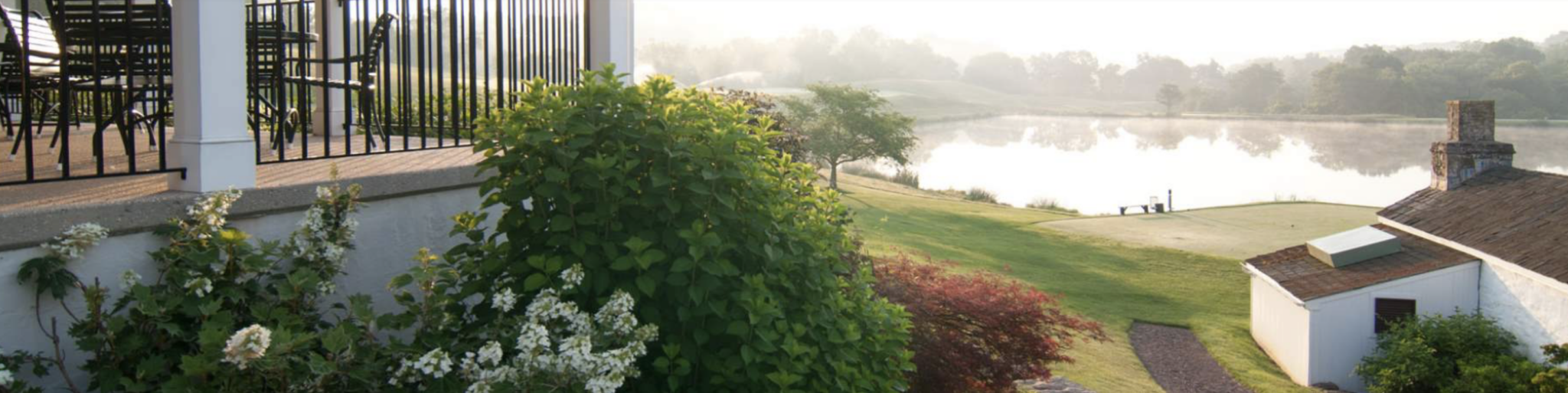
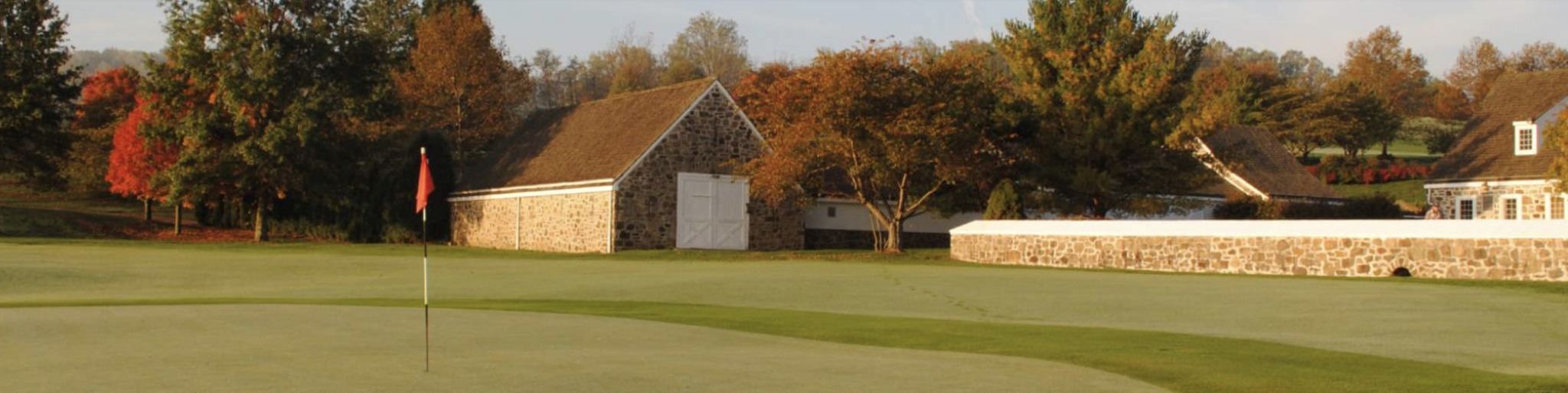
Stonewall is a 36-hole private club in Chester County Pennsylvania that was designed by Tom Doak. We are part of the Philadelphia PGA Section and hosted the 2016 USGA Men’s and 2023 USGA Women’s Mid-Amateur Championships.

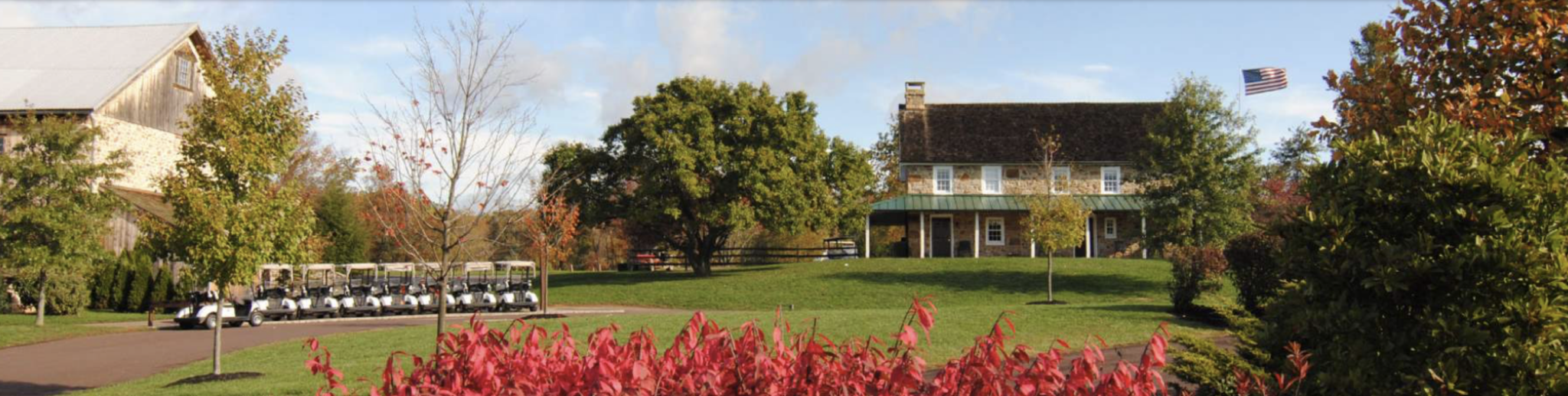
While career progression may seem linear on paper, mine was shaped by the people who took the time to mentor me along the way. It is because of the mentors I’ve had in my life that I want to continue mentoring and paying it forward to the next generation of PGA of America Golf Professionals.
As a PGA of America Associate Professional, I worked at several clubs and held almost every role one could in our industry — cart attendant, shop attendant, assistant professional. At each stop, I encountered mentors who shaped my approach to the profession.
Some were teaching professionals who didn’t just study the mechanics of the golf swing — they studied how to communicate it. They understood that a lesson wasn’t simply about fixing a swing; it was about sending a student back to the course excited to play. Others were head professionals who were never above helping others on their team. They led by example, but also knew when it was time to let their assistants take responsibility and learn through experience.

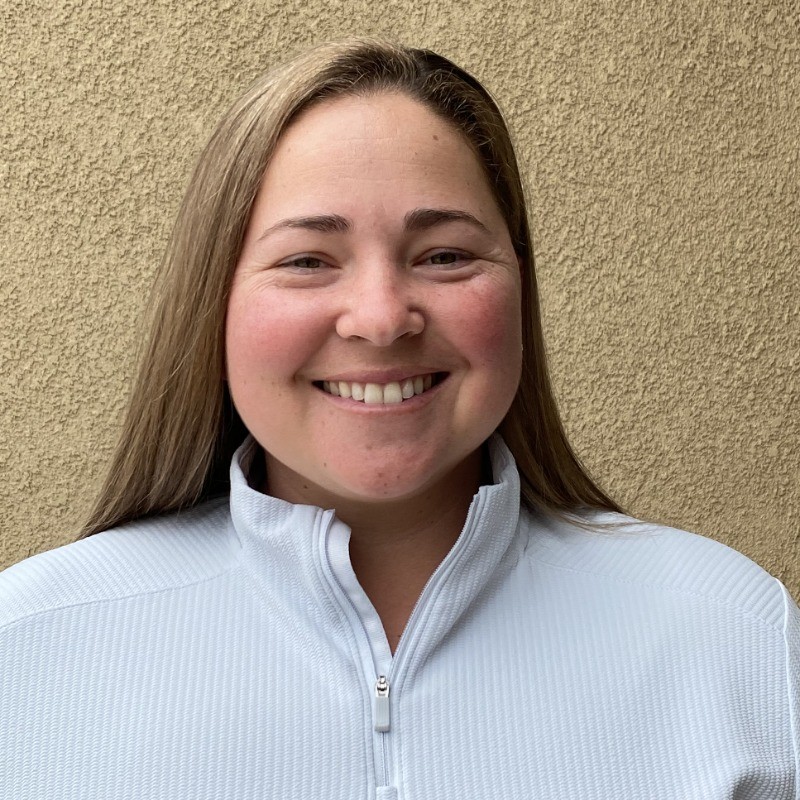
One of the simplest mentoring moments I experienced early in my career was having someone believe in me and my ability to be a leader. I was working as an assistant professional at a club in Virginia when we finished running a large member-guest tournament. We put our all into hosting the best event possible for our membership and it was the first time I was able to be a part of it. As we walked to our cars that evening, my head professional turned to me and said, “You’re going to go far in this industry, kid.”
It was a brief comment, but it meant everything to a twenty-something year old unsure of her path in the industry.
Another formative lesson came during my time working at a club in the California desert. Like many young assistants, I occasionally found myself frustrated with certain procedures or inefficiencies in the operation. One day, a mentor heard me voicing a complaint and challenged me to look at it differently.
Instead of agreeing with the frustration, she asked me a simple question: “What’s your solution?”
She encouraged me to reframe the complaint as an opportunity. If something wasn’t working, what could I do to improve it? Could I create a procedure that would make things more efficient— not just for me, but for everyone?
That moment changed how I approached problems and now I challenge my team to do the same. Complaints are easy. Solutions take effort, creativity and ownership. We are all victims of seeing things through our own lens. So I approach problem solving by bringing in my team, presenting the issue and getting their perspective on how to solve it. Again, I find this practice encourages buy-in and ownership.
At the end of the season, I sit down individually with each member of our golf operations team and ask a simple question: “What’s one area in the operation you’d like to get more experience in and what is one goal you want to achieve?”

Sometimes the answers are wanting to run a Monday outing or learn more about invoice processing and vendor relationships. Other times their goals are personal like being home for pizza Fridays.
Based on those conversations, I try to align their responsibilities to help them achieve those goals. Giving staff members ownership over projects helps them build confidence and sharpen their “tools.” Encouraging personal goals gives them space to be present for family and/or friends. I had a mentor do the same for me in a previous role and it made me enjoy coming to work even more that following season.
Mentorship isn’t always about delivering groundbreaking advice. Often, it’s about small moments — offering encouragement, providing opportunity or challenging someone to see a problem from a different perspective.


For me, mentorship is about creating an environment where young professionals feel heard, trusted and empowered. When your staff feels like their ideas matter and they are part of the solution, they begin to take pride and ownership in the work they do. That sense of responsibility helps them grow not only as team members, but as leaders.
The truth is that none of us reach this position on our own. Along the way, someone took the time to believe in us, challenge us and help us see our potential. I have had many mentors who did just that, and I’m beyond grateful to all of them. As PGA of America Golf Professionals, it’s our turn to carry that responsibility forward and mentor the future leaders of our industry — just as others did for us.
Megan Leineweber is the PGA of America Head Golf Professional at Stonewall Links in Elverson, Pennsylvania. Leineweber, a graduate of Radford University, was the 2023 Middle Atlantic PGA Section Assistant Golf Professional of the Year and a 2024-2025 PGA LEAD Member.



