
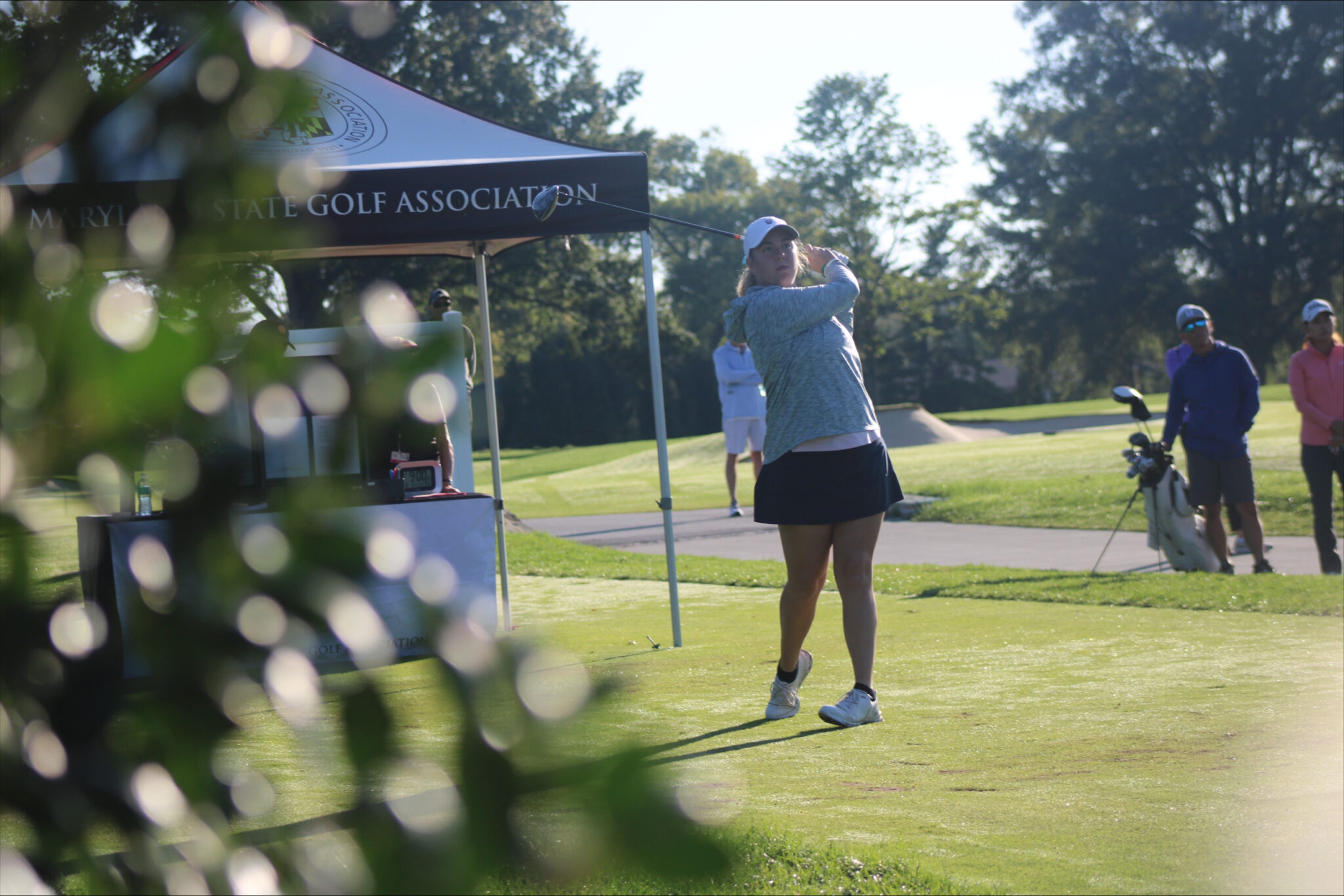
By Maggie Williams, PGA
As the only female golfer on the Mt. Vernon (OH) High School boys golf team, I faced adversity, overcame challenges and subsequently influenced the sport in my community. These experiences were quite different than those of my male teammates. Although we all had to earn our spots on the team, I was constantly proving myself—to my coaches, to my teammates and to the players and coaches of other teams in our area.
Regardless of my success, gender bias was strong every time I walked onto the course for practice or a tournament. I could see it. I could hear it. And I could feel it. It was exhausting and uplifting, frustrating and enlightening all at the same time. Over four years in high school, I not only learned to manage this environment, but to thrive in it, and it offered lessons that are still impactful today as I strive for success in a professional capacity

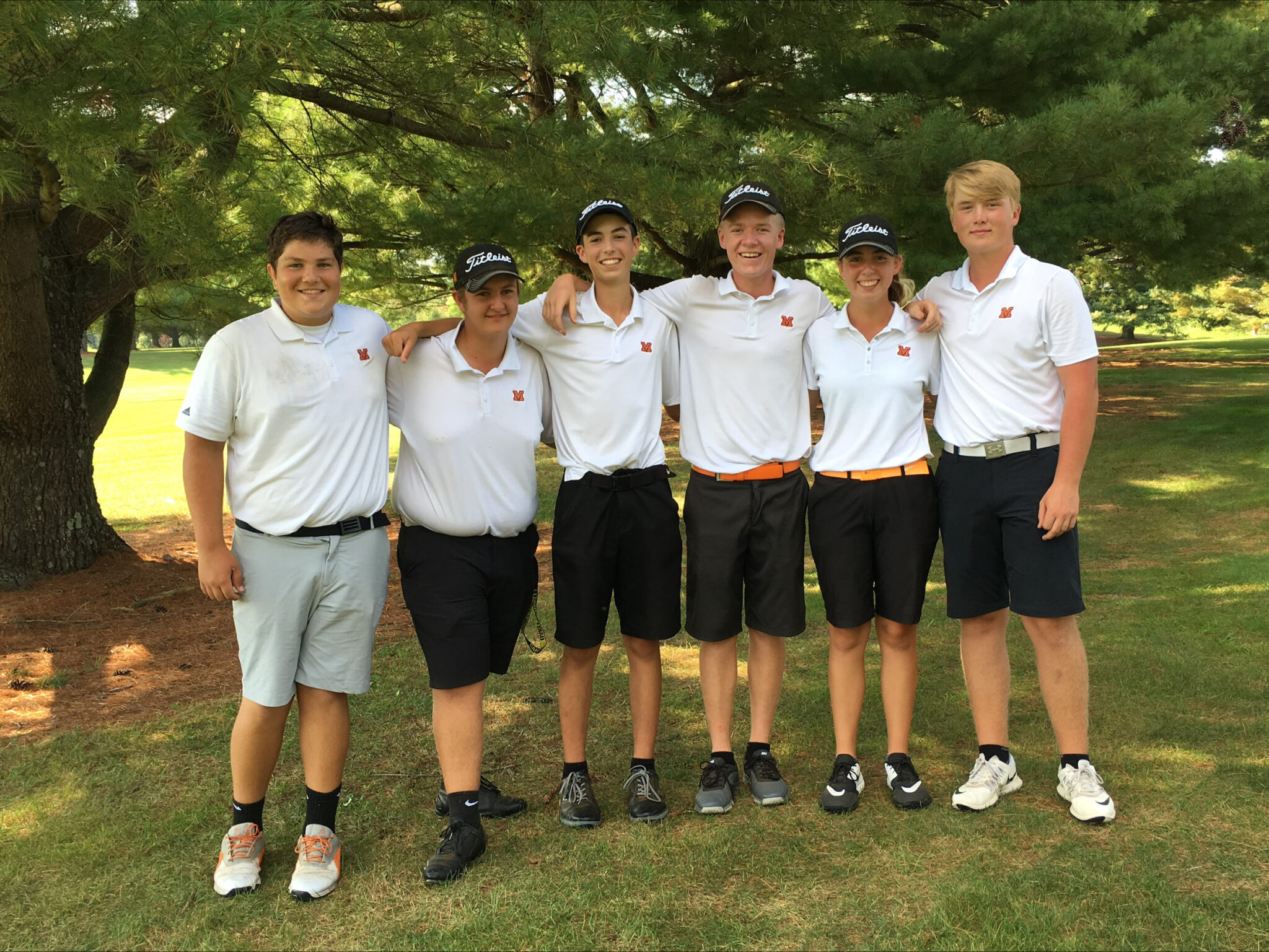
It did not take long for my high school teammates to come to respect me rather than assume that, as a girl, I would not add value to the team. As a freshman, I qualified for the starting five, practiced as hard as they did and posted consistent (and competitive) scores. Soon, I was just another teammate and a good friend. It didn’t matter that I was a girl. At times, however, I still felt like an outlier at high school tournaments.
One of the most challenging moments came during my sophomore year. Warming up for an important conference match, my teammates and I were laughing and joking with each other on the putting green. I overheard the other team commenting about how the match was a “boys’ match.” They mentioned how it would be so easy for them to win because the other team had a girl playing. Their comments broke me.

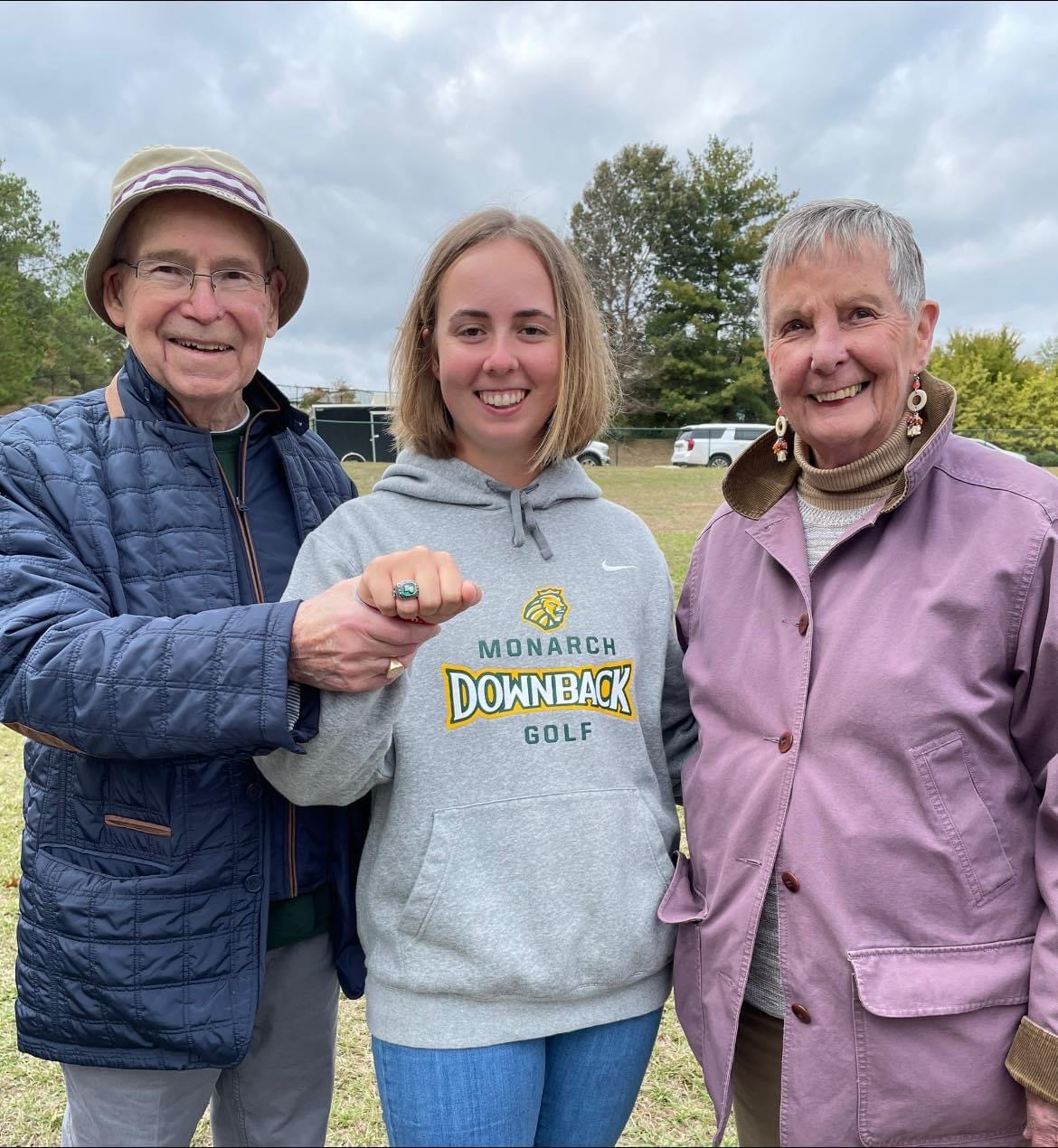
I was sad and frustrated that the other team was judging me based solely on my gender before even giving me a chance to demonstrate my skills on the course. After all, I had earned the right to compete at this level just like they did. Even more so, though, I was irritated that they were writing off my team. As I played through the match, I felt the weight of their comments on my shoulders. Despite playing in the second position on the team, I couldn’t escape the feeling that somehow they were right, and I didn’t deserve to be there.
That moment became a turning point for me. I came to understand the value of a team. My teammates stood up for me, and I was determined to fight for them. I gained personal strength and courage that helped sharpen my game. I learned how to turn the noise on the green into motivation and confidence and to quietly and patiently execute my game plan despite the distractions. My high school coach told me this was one of my greatest strengths. It is born from adversity and nurtured by the support of my teammates and coaches.

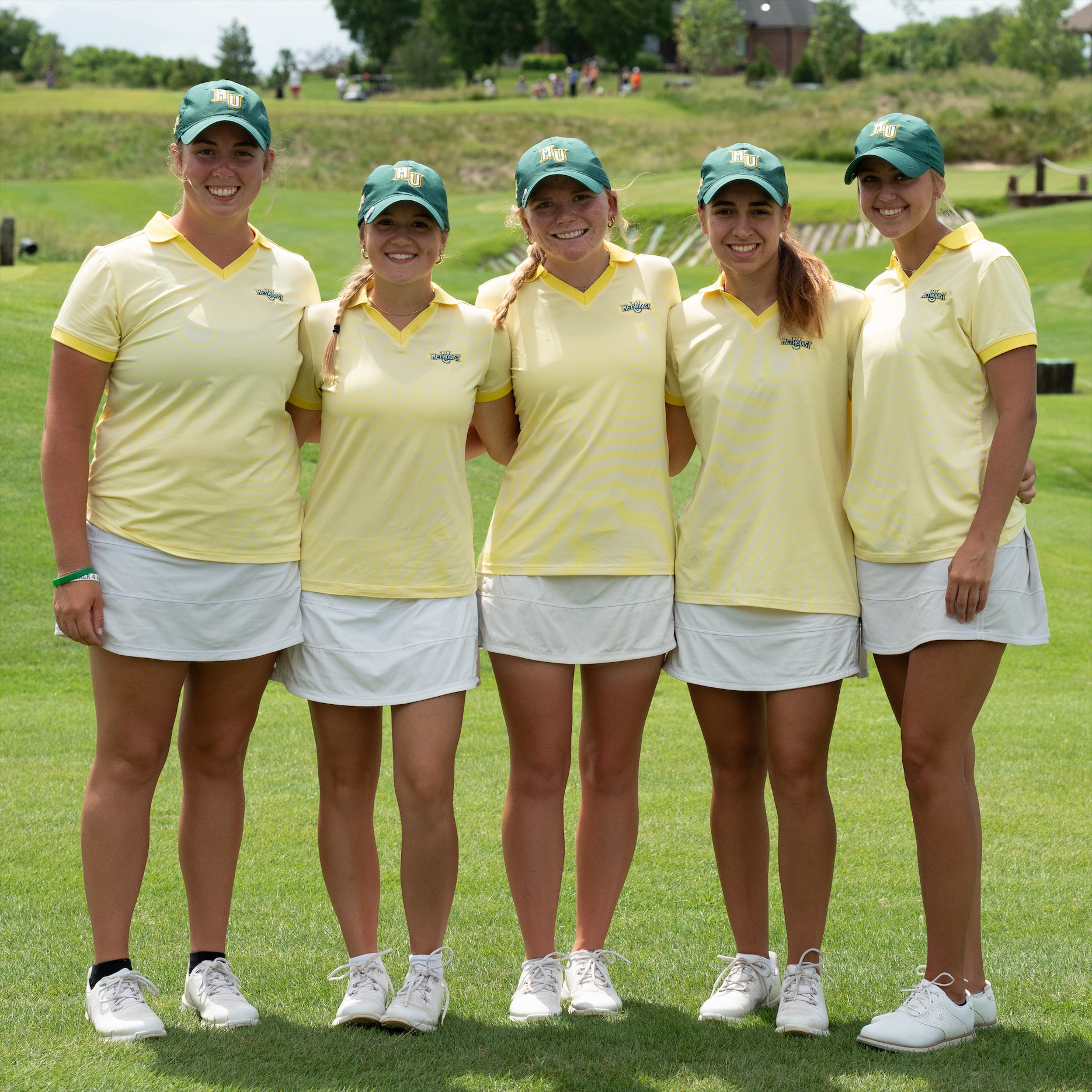
This resilience carried me into college golf, where I encountered new challenges. COVID hampered team-building in my first year, and then we had a coaching change after my sophomore year. Adaptation was key. In both situations, I had to find stability in new environments for myself and with my team. I was charged with performing consistently at a national level, building trust and guiding the team through difficult transitions. I leaned on the same mentality I had developed in high school—focus, persistence and the refusal to be defined by others’ assumptions. I worked with my coaches and professors and listened to my teammates. Golf taught me that leadership isn’t about being the loudest voice, but about setting an example through composure, work ethic and unwavering belief in myself and my teammates.
Life’s challenges off the course have tested me just as much. Losing a loved one during my college years reminded me how fragile time can be and how much perspective matters. Grief sharpened my focus and deepened my appreciation for the support of my teammates and family. Golf, with all its individual pressure and team reliance, became both an outlet and a source of healing.

My journey as a female golf professional in a male-dominated industry requires me to use my voice in new and effective ways. Gender bias is strong in the sports industry, and the golf world is no different. Despite my education and training, and even my nametag, there are many times that people bypass me and seek out my male colleagues. It can be disappointing and frustrating.
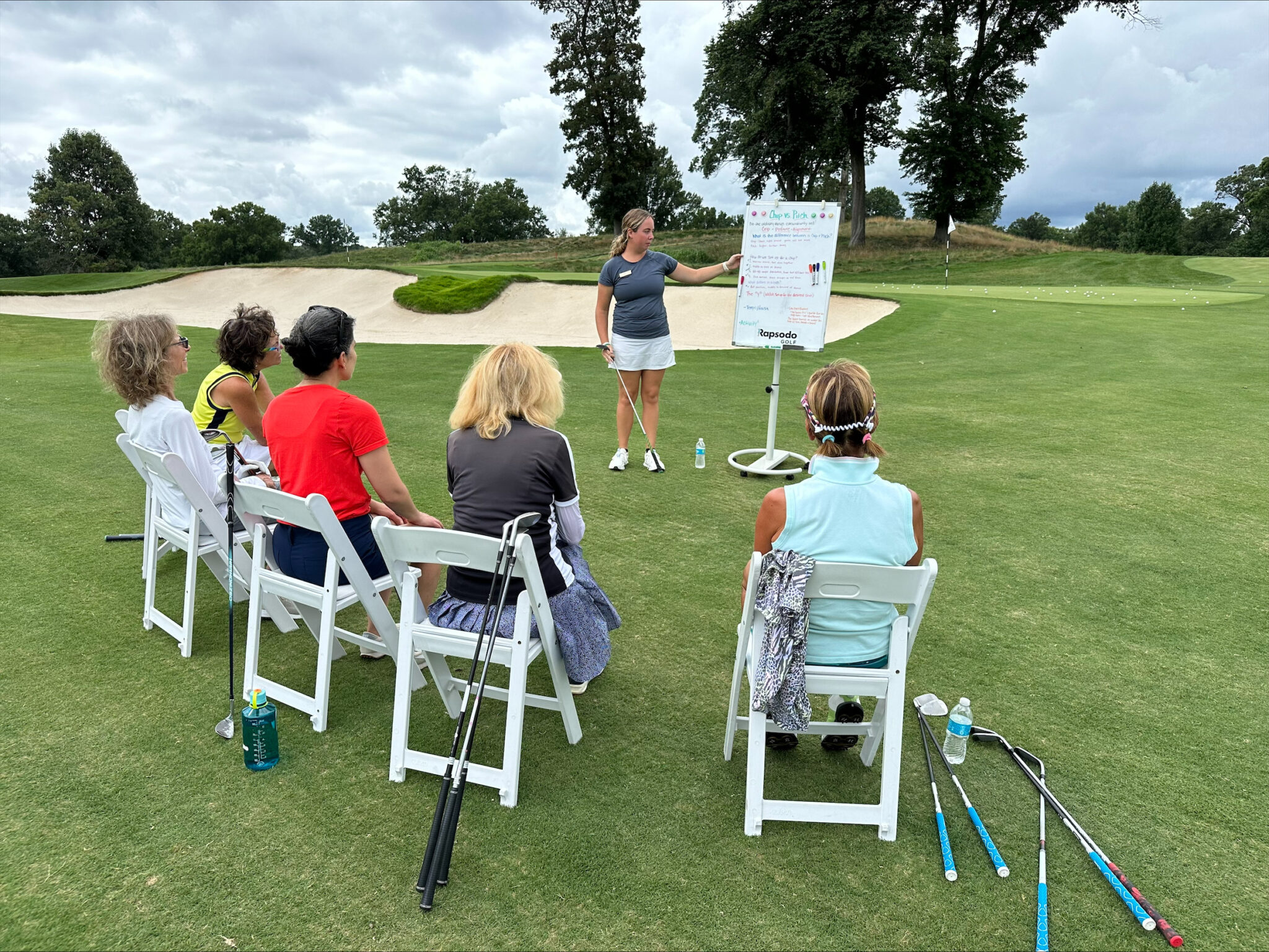
My team is different now. As a PGA of America Golf Professional, I spend time among other professionals and interns assisting members and guests, teaching lessons, planning and executing events and managing merchandise. I purposefully sought to work at a club that has other strong women leaders who are committed to making an impact. This support, along with the resilience, patience and quiet confidence I’ve gained over time, helps me continue to nurture my craft and reminds me that I belong.

Coming full circle, one of the most rewarding outcomes of my time as a female golfer on the Mt. Vernon High School boys team came just this fall when the school officially sponsored its first-ever girls golf team. Knowing that my persistence raised awareness and interest, and subsequently opened the door for younger female athletes to participate as a team, is one of the proudest legacies of my career to date. Growing female engagement in the sport is much better than any award I earned in high school. Visibility of women in the golf industry is important, and I strive to make a difference. 
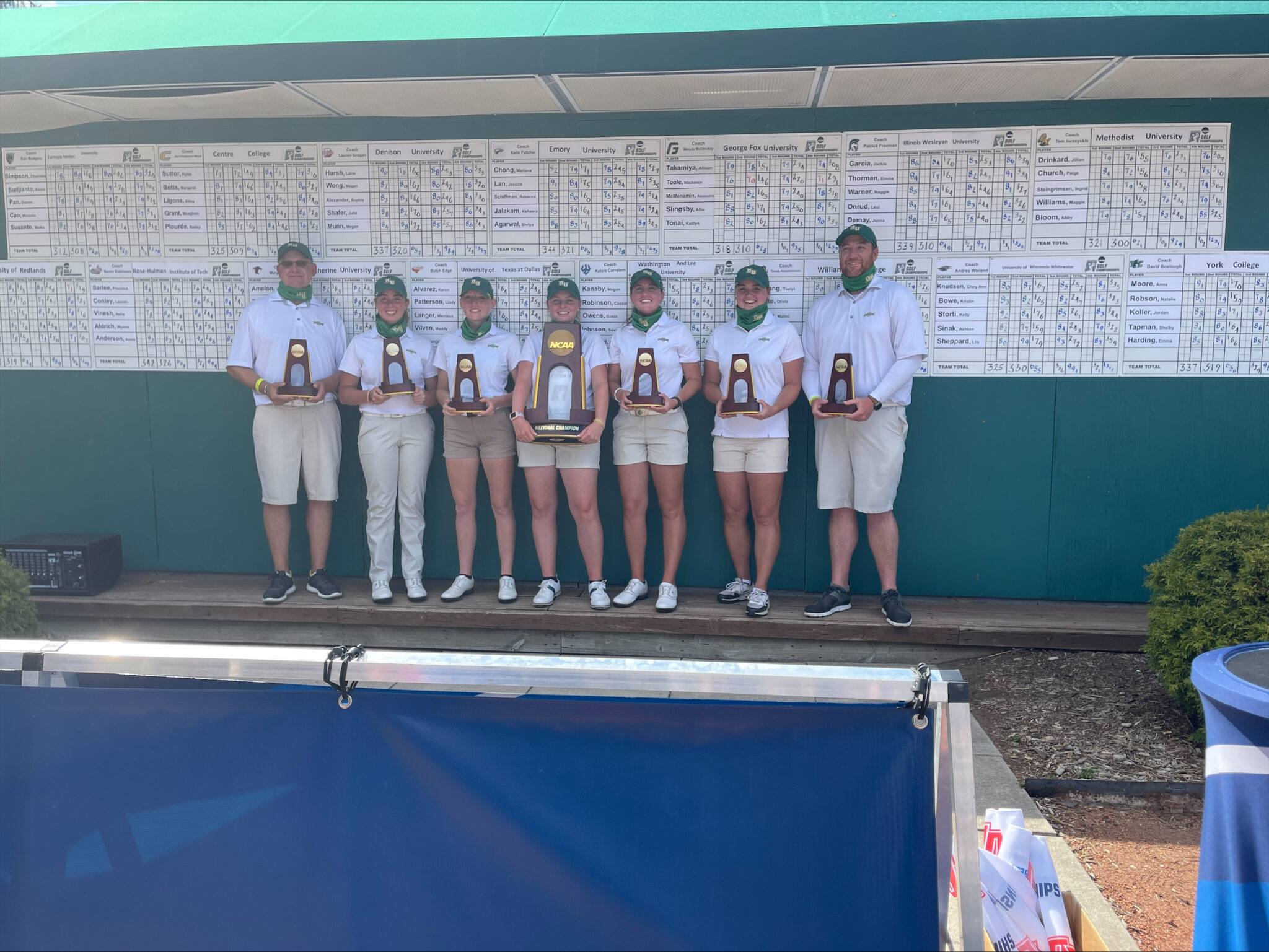
Maggie Williams is a PGA of America Golf Professional at Woodmont Country Club in Rockville, Maryland. Originally from Ohio, Maggie is a 2024 graduate of Methodist University, where she was a member of the 2021 NCAA Championship team, an Academic All-American and the 2024 USA South Conference’s Rita Wiggs Woman of the Year Award Winner.



