
By Hannah Jugar
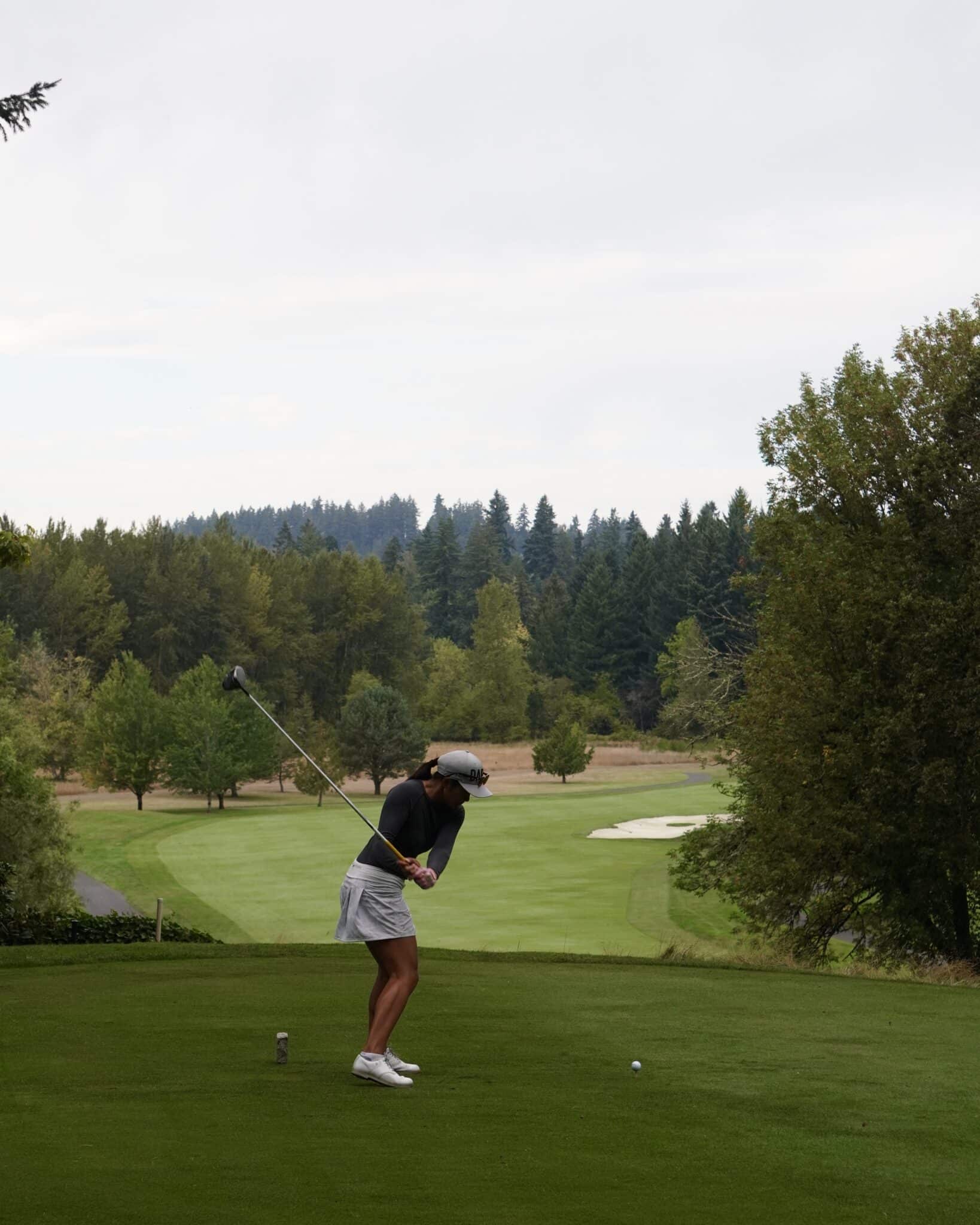
 Swinging a stick and chasing a ball has brought me to places I never expected to go. Each new course comes with the beautiful challenge of adaptation — to grass types, elevation, wind and most notably, changing seasons.
Coming from the ocean-moderated climate of San Diego, I rarely experienced drastic seasonal change. As I travel to new tournaments, I’m ecstatic when I see how well some courses handle changing weather patterns. Approaching golf from my environmental, spatial and competitive perspectives leads me to “nerd out” about differing biomes and view every course with a sustainability lens. The surrounding ecosystem and course resources, particularly water, need to be sustained for decades to come. Assessing the balance of environmental stewardship and quality course conditions created my growing respect and appreciation for course superintendents — the keystone species for sustainable golf.
The word superintendent originates from the Latin superintendere, meaning to “oversee.” Fortunately, in my golf travels, I’ve connected with superintendents who direct their attention towards detail but also look at the big picture of long-term sustainability. They envision their course tomorrow, next season and for their grandkids.

Tualatin Country Club
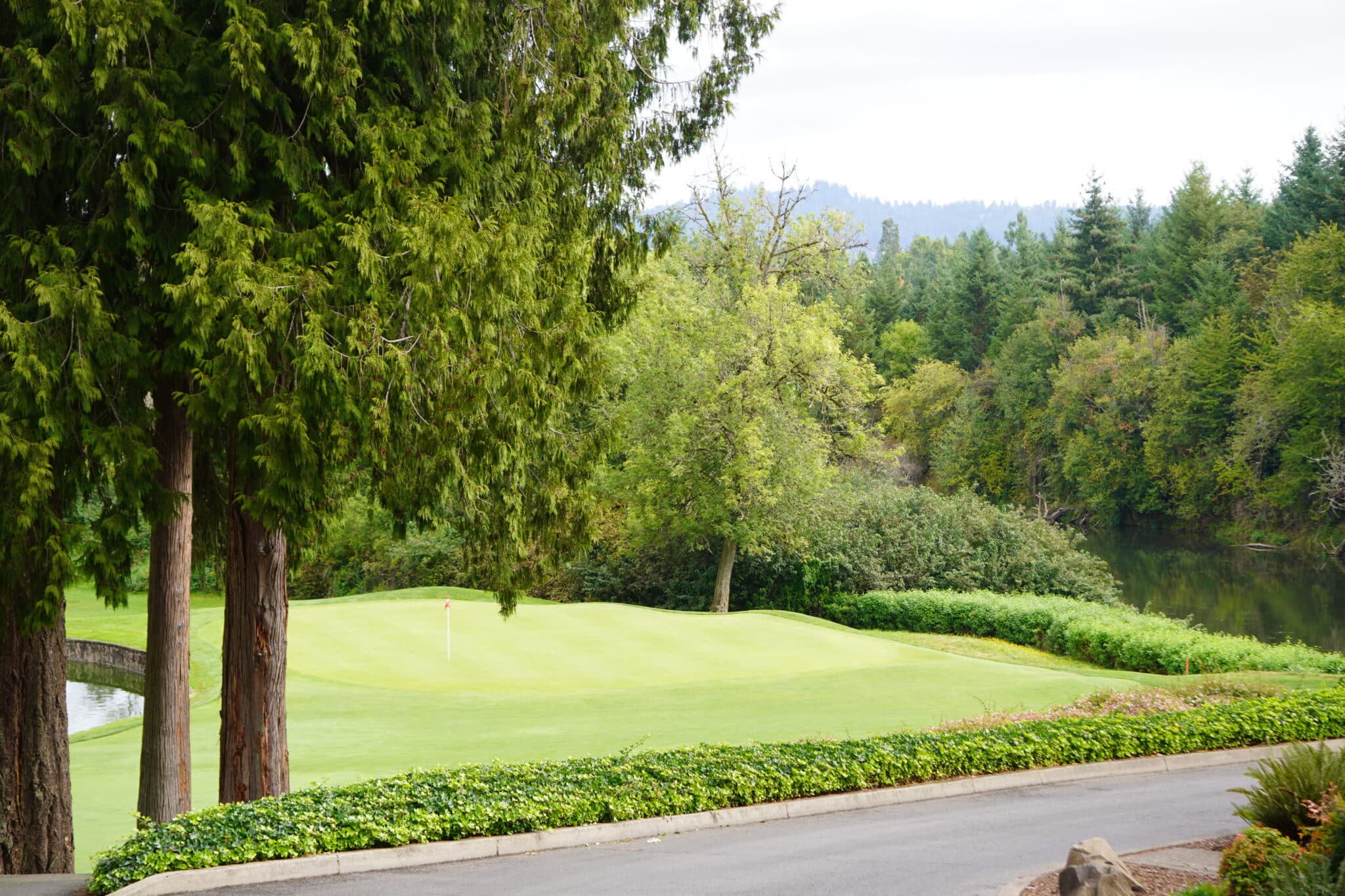
In Oregon, Tualatin Country Club (TCC) superintendent, Andrew Crawford, addresses how “there are many environmental benefits of a golf course, if it is maintained responsibly.”
Formerly the Director of Agronomy at the Olympic Club in San Francisco, Crawford brings TCC a valuable understanding of water conservation, especially coming from a state with prolonged drought and strict water budgets. TCC irrigates seasonally with Tualatin River water on greens and recycled water from a nearby Clean Water Services plant on the remainder of the course. River water can contribute to faster greens as it contains fewer nutrients that promote plant growth. Greater reliance on recycled water also reduces algae and duckweed throughout the course ponds.
Crawford emphasizes how TCC’s value in environmental stewardship was deeply rooted when former superintendent Randy Shults began in 1984. Shults implemented an above-ground fuel tank to monitor leaks, and a closed bioswale system to capture pesticide runoff — practices well ahead of their time.


Today, the membership rightfully prides itself on its Audubon International certification and returning pair of bald eagles (Haliaeetus leucocephalus). The certification is earned from thorough site assessments, structuring environmental management plans and consistent progress reports. The eagles’ nest can be viewed as you enter the club, and the pair can be spotted in trees overlooking hole nine and the driving range. The pair and their past eaglets are a living symbol of ecological health.
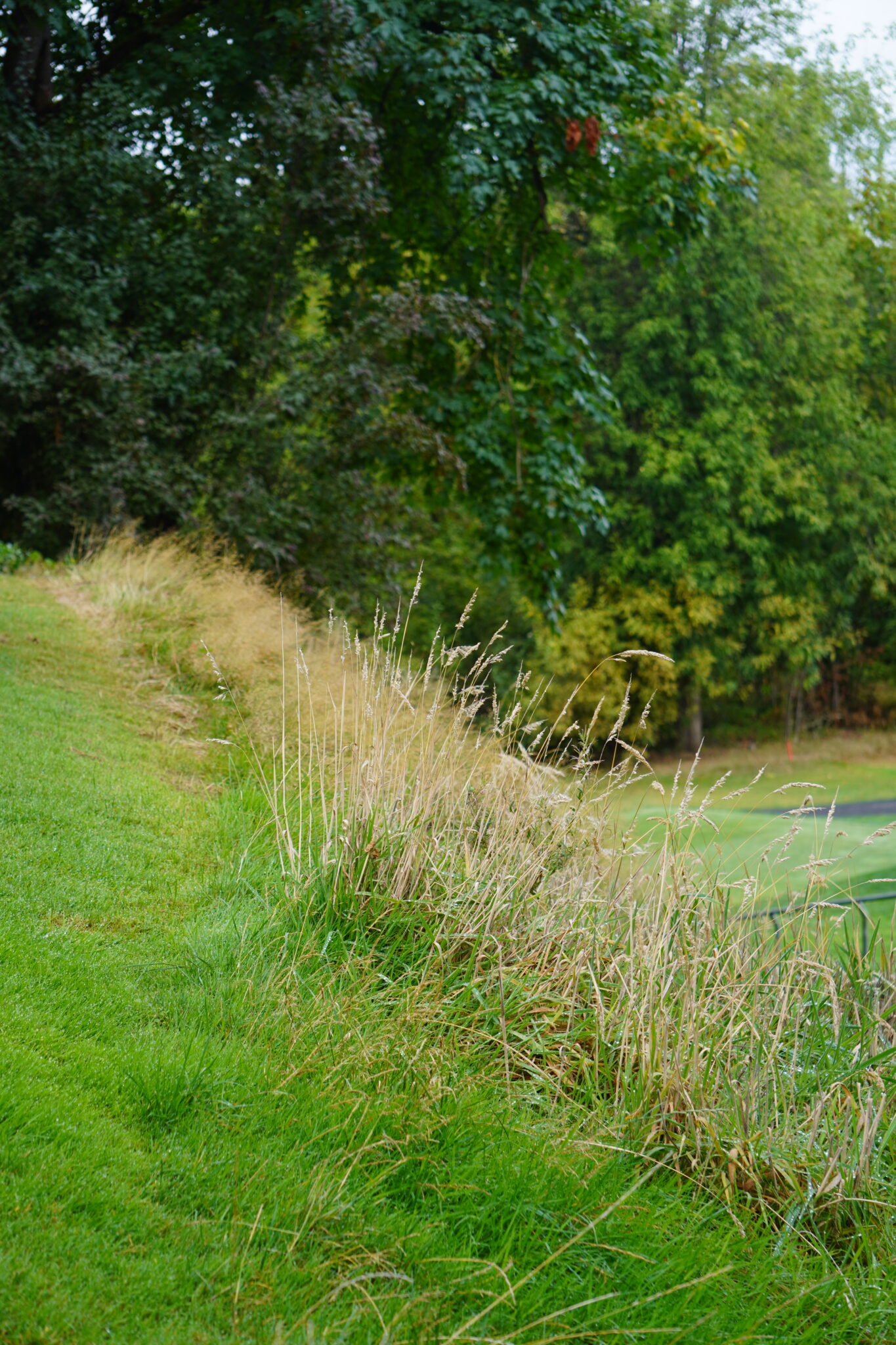
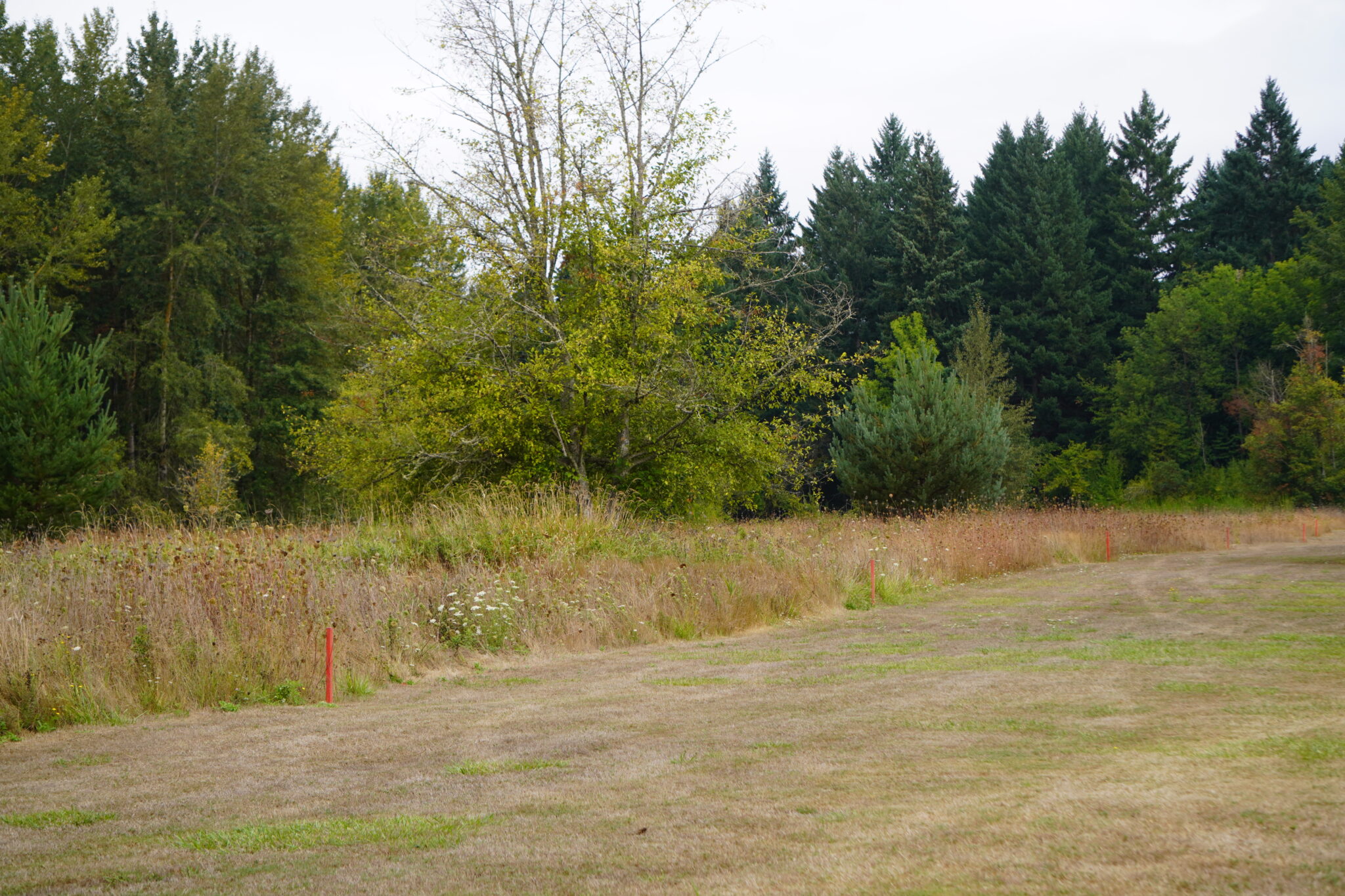
Crawford puts responsible course management into practice with updated irrigation software for uniformity and to reduce wet and dry spots. Spraying schedules are carefully timed to minimize pesticide impacts to pollinators, which are essential species for the course’s flowering plants and wildlife. Holes running along the Tualatin River have native redtwig dogwood (Cornus sericea) preserved for erosion control on river banks. A seasonal wetland on hole seven shows the coexistence of golf and nature as the native plants benefit the local wildlife, particularly the deer population. Additionally, the strategic use of fescue to separate some tee boxes supports native flora and reduces overall maintenance.

Crawford clarifies that sustainable course architecture and reduced maintenance do not mean a loss of jobs, but rather, labor reallocation. Efforts can move to other high-priority maintenance and conservation work around the property. The result of activism for sustainability: a great test for tournament play as TCC hosted the 2025 Oregon Amateur and Lewis and Clark Orange and Black Invitational.

Green Valley Ranch Country Club
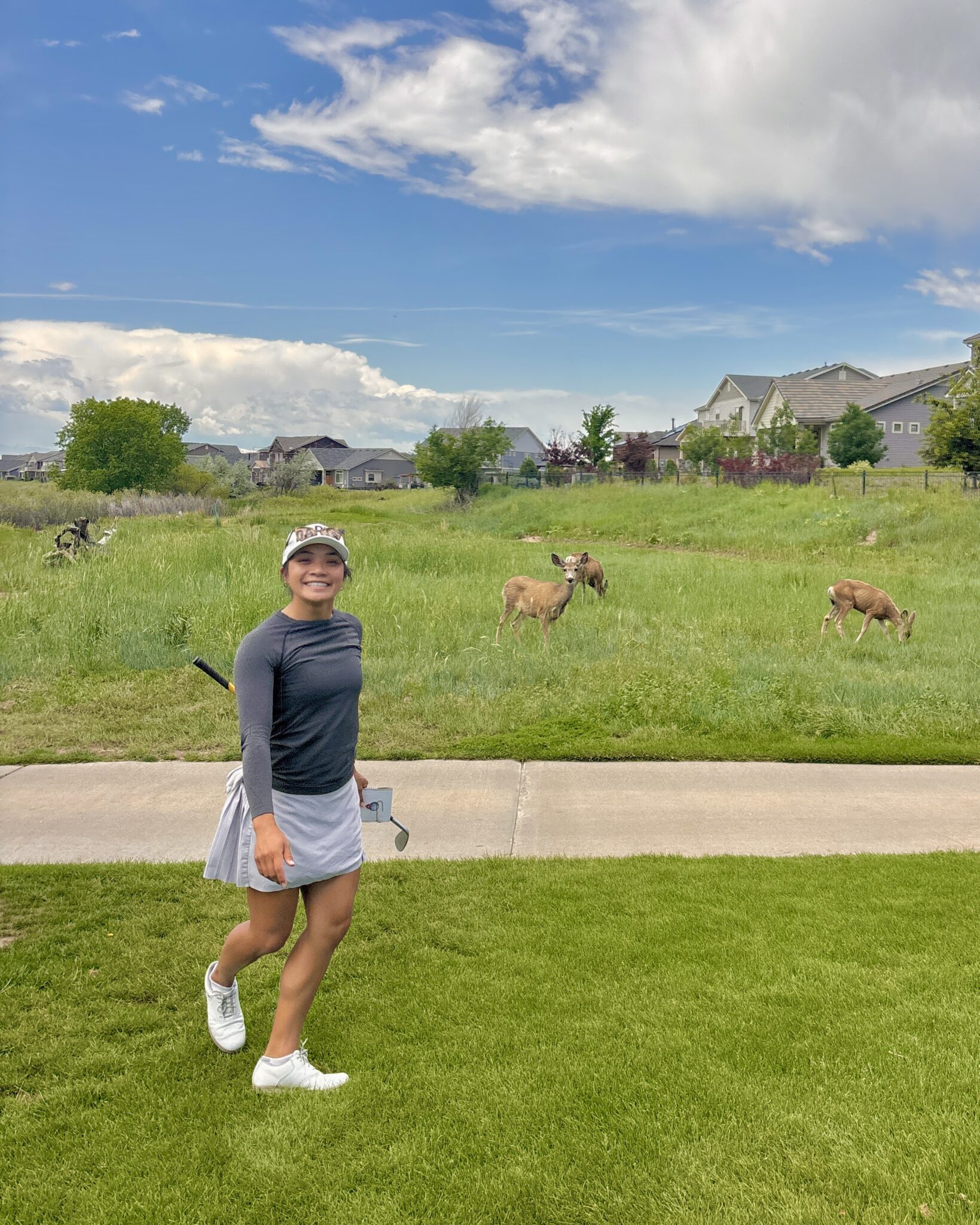
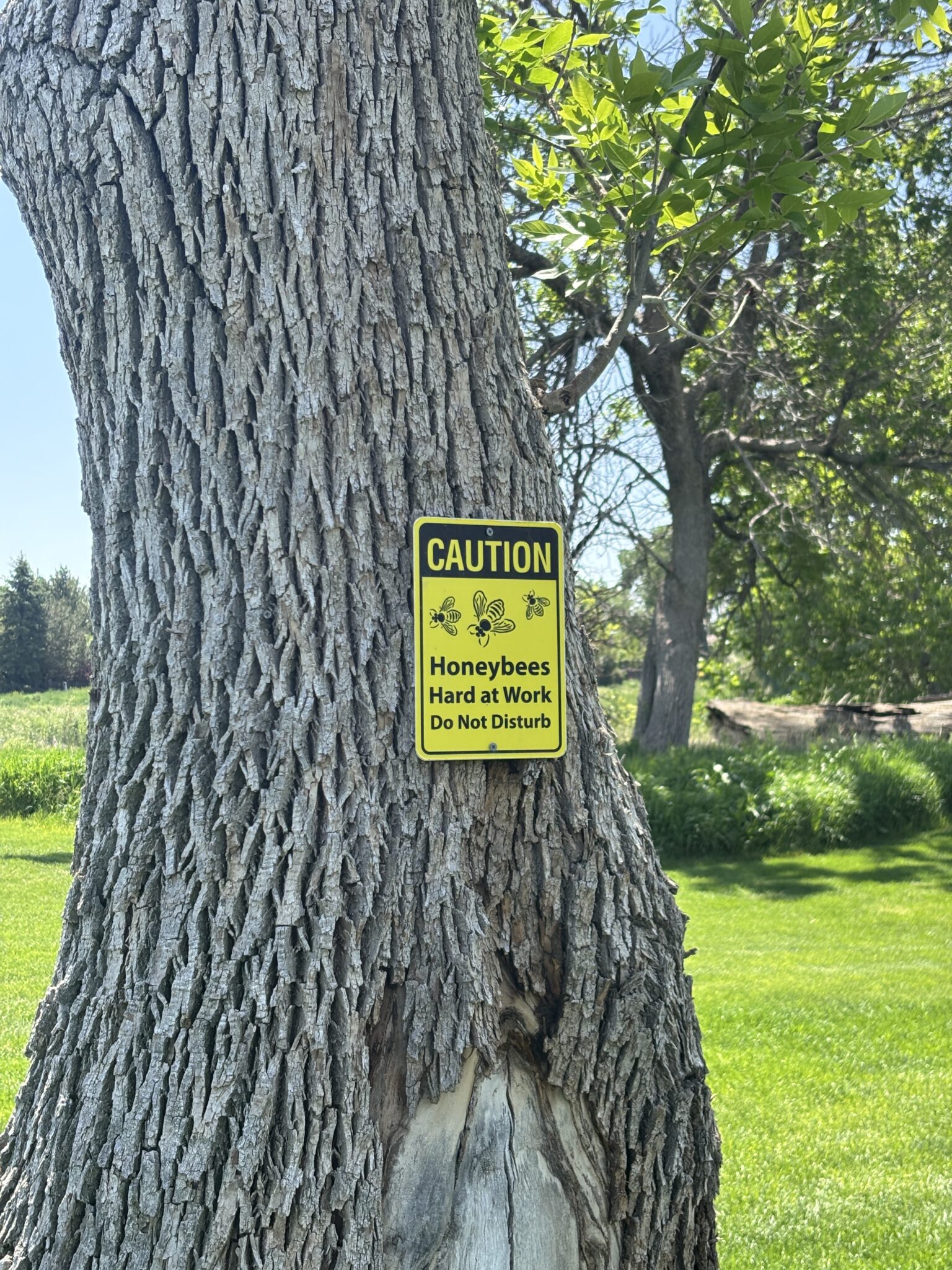
Similar coexistence was seen in Denver, Colorado, at Green Valley Ranch Golf Club (GVR) for the Inspirato Colorado Open. The course was alive with bees, deer, wetland birds and foxes hunting near penalty areas. On hole 17, fallen tree remnants were left within a penalty area—an ecologically beneficial choice providing habitat for local wildlife. Walking the fairways, my Merlin Bird ID app was constantly identifying bird calls from all directions.
Superintendent Rob Hayes, who has led GVR since 2021, describes the course as complex, being in a plains desert surrounding a wetland. These wetlands bring significant ecological benefits, but tall growing cattails (Typha spp.) can also obscure golfers’ sight lines. To manage this balance, the crew trims vegetation with hand-held machetes to limit chemical sprays and preserve surrounding habitats. In hard-to-reach areas such as the hole 18 penalty area, drones are used outside nesting season (April 1–August 31) to spray in compliance with the Migratory Bird Treaty Act.

Hayes also highlights native xeriscaping installations of yuccas (Yucca spp.), sand willows (Salix exigua) and plains prickly pear (Opuntia polyacantha) that require no irrigation. He urges other courses to acquire new irrigation technologies for conserving water, compared to older, less reliable methods of feeding grass by hand or pulling soil plugs. GVR now uses irrigation software that incorporates an evapotranspiration-rate algorithm for precise, data-driven watering decisions. Through advancements in technology and a deep respect for ecological systems, GVR demonstrates how environmental responsibility and playability can thrive together.
Collective Responsibilities
While superintendents lead the charge in course care, lasting success stems from collective responsibilities by the entire golf community. Hayes reminds us that individual golfers can make an impact. Small steps include fixing ball marks, filling divots, driving in designated areas and maintaining realistic course expectations about turf color during dormancy and drought. Before criticizing a “yellow” appearance, consider how seasonal changes in turf can actually enhance playability— further roll-out on drives or a temporary links-style version of your course. Crawford underlines that meaningful change begins with small, deliberate actions. Whether that’s minutes of research, hosting team meetings or reviewing current practices, this bit of extra effort can quickly jumpstart a course’s sustainability progress.
Sustainability in golf is not a passing trend for temporary fame; it is a necessary evolution. It occurs when courses elect proactive superintendents with thoughtful climate adaptation plans backed by data. The future of the game depends on the golf community adopting a sustainability lens and collaborating towards a shared goal of longevity. Just like stroke play, sustainable golf has no “gimmes”— everyone has to tap in and do their part to protect the course, wildlife and a legacy for tomorrow’s golfers.
About the Author:
 Hannah Jugar graduated from the University of Redlands with a Bachelor of Science in Environmental Science and a minor in Spatial Studies. She has a background in climate science, botany (CA Floristic Province), habitat mensuration, ecology and geographic information systems (GIS). Hannah was the captain of the Redlands Women’s golf team, a 4x WGCA All-American, the recipient of the 2023 Roger Tomlinson Undergraduate Award for Excellence in Geographic Information Systems and the 2023 Frank Serrao Scholar-Athlete of the Year. She worked as an ecologist specializing in GIS, compliance monitoring and fieldwork. Hannah returned to college golf to compete on the CSU Long Beach State Women’s Golf team and completed a Master of Science in Geographic Information Science in the summer of 2025. She now plays golf professionally on the ANNIKA Women’s All Pro Tour using her environmental, spatial and competitive perspectives to advocate for sustainability in the golf industry.



