
By Joey Wuertemberger
On the lesson tee, 10-15 handicappers often arrive with a few solid fundamentals and plenty of athletic ability, yet they struggle to make progress due to a small set of recurring flaws or misunderstandings. The common theme isn’t a lack of effort – it’s misdirected focus, overcorrection and chasing positions that don’t match how they swing. The following five flaws show up repeatedly in lessons, and once addressed, students will see fast and noticeable improvements.
1. Clubface Awareness
Many mid-handicappers are chasing the perfect backswing or top of the backswing positions, but most fail to understand that you’re not hitting the ball on the backswing. It’s more important to have a better approach to how the clubface opens and closes relative to the path and at impact. Poor clubface awareness results in the dreaded two-way miss, rather than a predictable ball flight. Players struggle to manage what they can’t feel; therefore use foot spray or impact tape to help improve awareness of what a toe hit or a heel strike feels like at impact.

2. Poor Clubface Problems Disguised as Path Problems
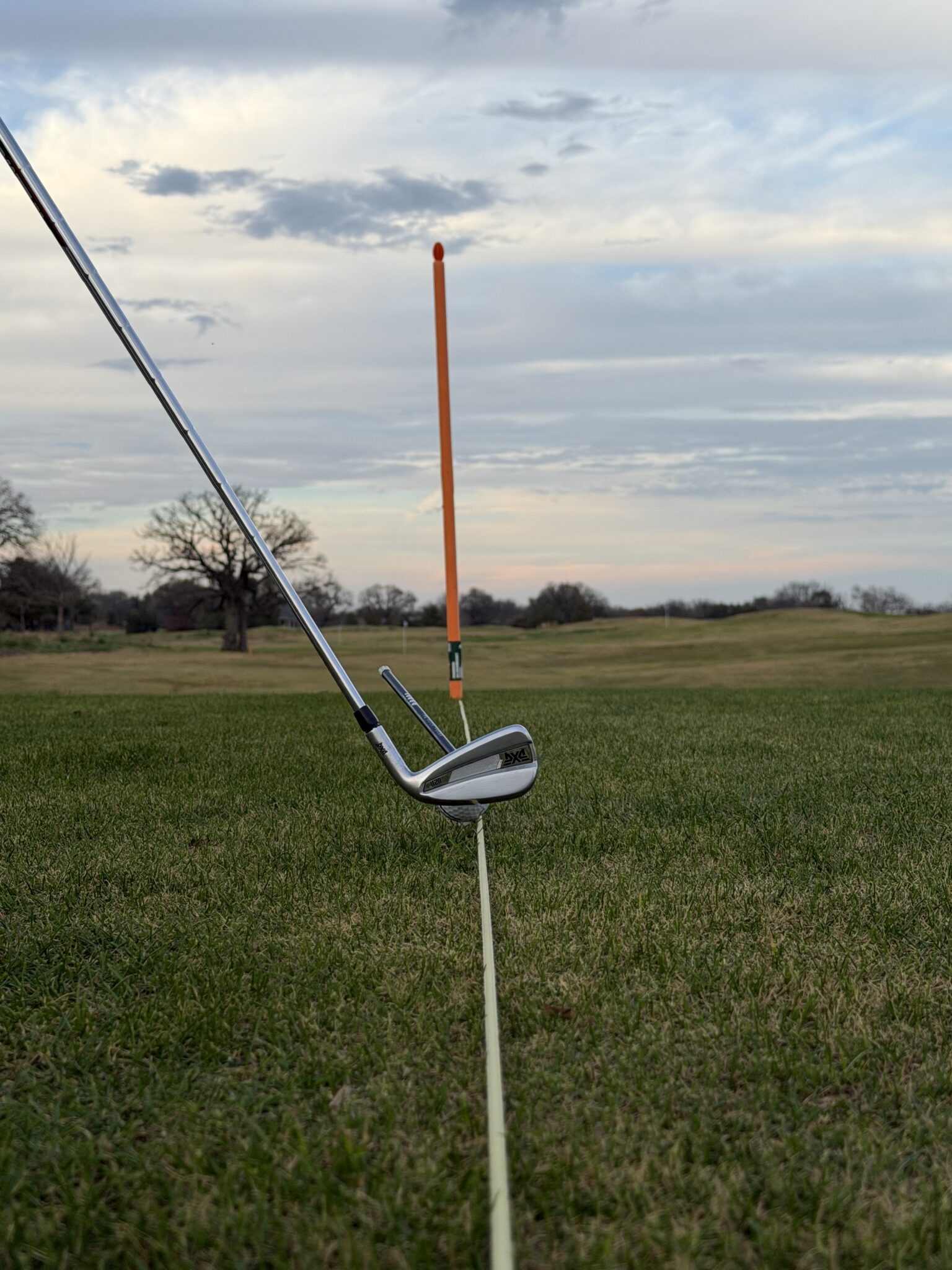
One of the most misunderstood issues is focusing on one’s swing path, when in fact, the real problem is the clubface. Although a slice or hook suggests a path issue, the real problem is inconsistent clubface alignment at impact, causing the player to compensate with their swing path. For example, when a player hits a shot that starts to curve or go offline, they immediately assume their swing was “over the top.” They start changing their path and rerouting the club in hopes of changing the initial ball flight, when, at the end of the day, if they upgraded the clubface first, their path would automatically improve.
In the teaching world, clubface dictates the path. If you have an open or closed clubface, you will adjust your path to make up for it. First, stabilize the face by checking your grip, keeping proper wrist angles and using slower swings. Once the face improves, the path will have no choice but to improve.
3. Trying to Swing Too Hard for Speed
Mid-handicappers need to understand the difference between speed and effort. When players swing too hard, it usually means the speed is in the wrong place, often during the backswing. The result is not increased distance, but rather poor contact and inconsistent control of the club face. Speed comes from correct sequencing – the lower body starts the downswing, then the torso and the hands and arms will complement. Train at 70 percent speed, but prioritize tempo and center contact, and let speed show up as a byproduct.


4. Avoid the Guesswork and Own a Stock Shot
Reliability and predictability go a long way on the course, simplifying decisions and tightening up dispersion. Don’t try to force a shot that you aren’t good at. But more importantly, choose a shot that matches your tendencies. For example, if you have a weak grip and an open face at impact, it’s important to adjust for this and aim accordingly. Good players don’t abort their stock shot – they embrace it! Aiming accordingly and adjusting the target is a safer bet than implementing swing changes on the course.
5. Short Game that Lacks Structure Lacks Improvement
I often see players hit chips, pitches and putts without a clear purpose and understanding of what they are trying to accomplish. The practice may look productive from the outside, but it’s missing structure, which ultimately shows up on the golf course. The issue isn’t effort – it’s more about lacking feedback. Great short game players practice with certain landing areas, different club selections and shot types and simulate games that recreate on-course pressure.

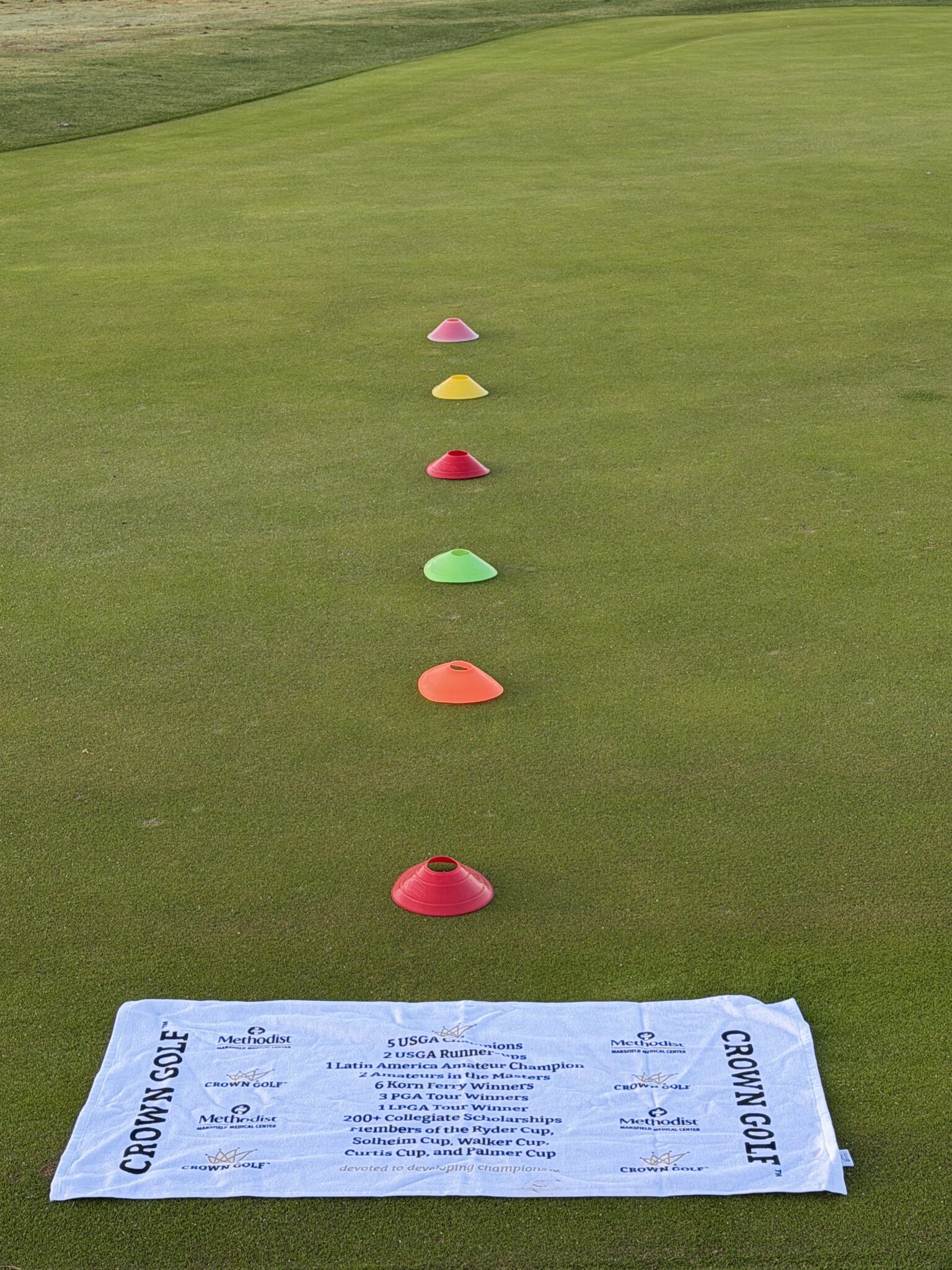

Better organization and structure would include some of the following items:
a. Owning a certain technique and skill
b. Owning distance control, hitting certain yardages and keeping stats
c. Benchmarking certain scoring games and keeping a record of proximity for certain short game shots
The common thread among 10-15 handicappers isn’t a lack of effort – it’s a lack of clarity. Too often, players chase swing positions, speed or quick fixes, while the real issues go unaddressed. Clubface awareness, knowing the cause of ball curvature, controlling swing speed, sticking to a dependable shot and purposeful short game practice are essential fundamentals—not advanced concepts—that drive improvement over frustration. Clean up these five areas, and you won’t just hit better shots, you’ll start playing smarter golf, and the handicap will follow.
 Joey Wuertemberger, a Golf Range Association of America (GRAA) Elite Growth of the Game Teaching Professional, is a Teaching Professional at the Crown Golf Academy, located at the Texas Rangers Golf Course, in Arlington, Texas. Known for his practical, experience-driven approach to the game, Joey draws from years of experience on the lesson tee and blends technical insight with clear, honest communication without overcomplicating the process. Check him out at @JWInstruction on Instagram or email him at jwinstruction@icloud.com.



