
By Vinnie Manginelli, PGA
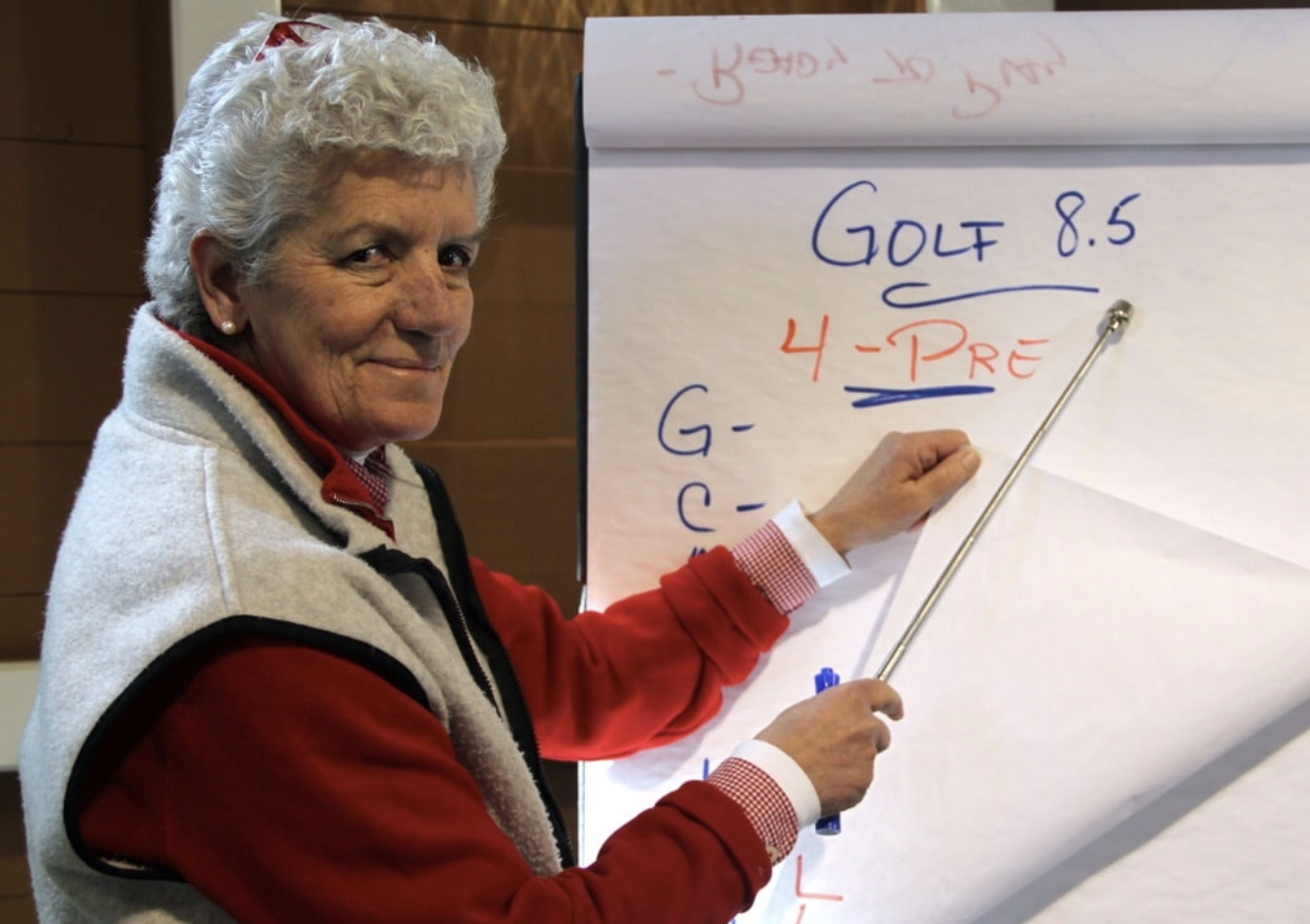
Following up on last month’s Five Questions feature with Kay McMahon, a GRAA Elite Growth of the Game Teaching Professional and LPGA Hall of Fame member, we take a few minutes to discuss her use of golf simulators in teaching her students during the cold winters in the Northeastern New York PGA Section.
Although based in the northeast today, McMahon has taught in the beauty of Palm Desert, California and the Mission Inn Resort in Florida. She still conducts clinics each year at locations in the Sunshine State, but engages most of her clients back home.

Before golf simulators, back in the day, McMahon would have her students hit into a net or at the range, analyzing their swings using JC Video swing analysis and VCR tapes, along with lie boards and impact tape for some data feedback. She would add audio instruction over the video analysis to ensure her students understood and practiced the things she wanted them to work on. In today’s technology, she uses the Onform app to provide such analysis with skeletal tracking and voice-over commentary for use not only in-person, but with personal online 24/7 access.

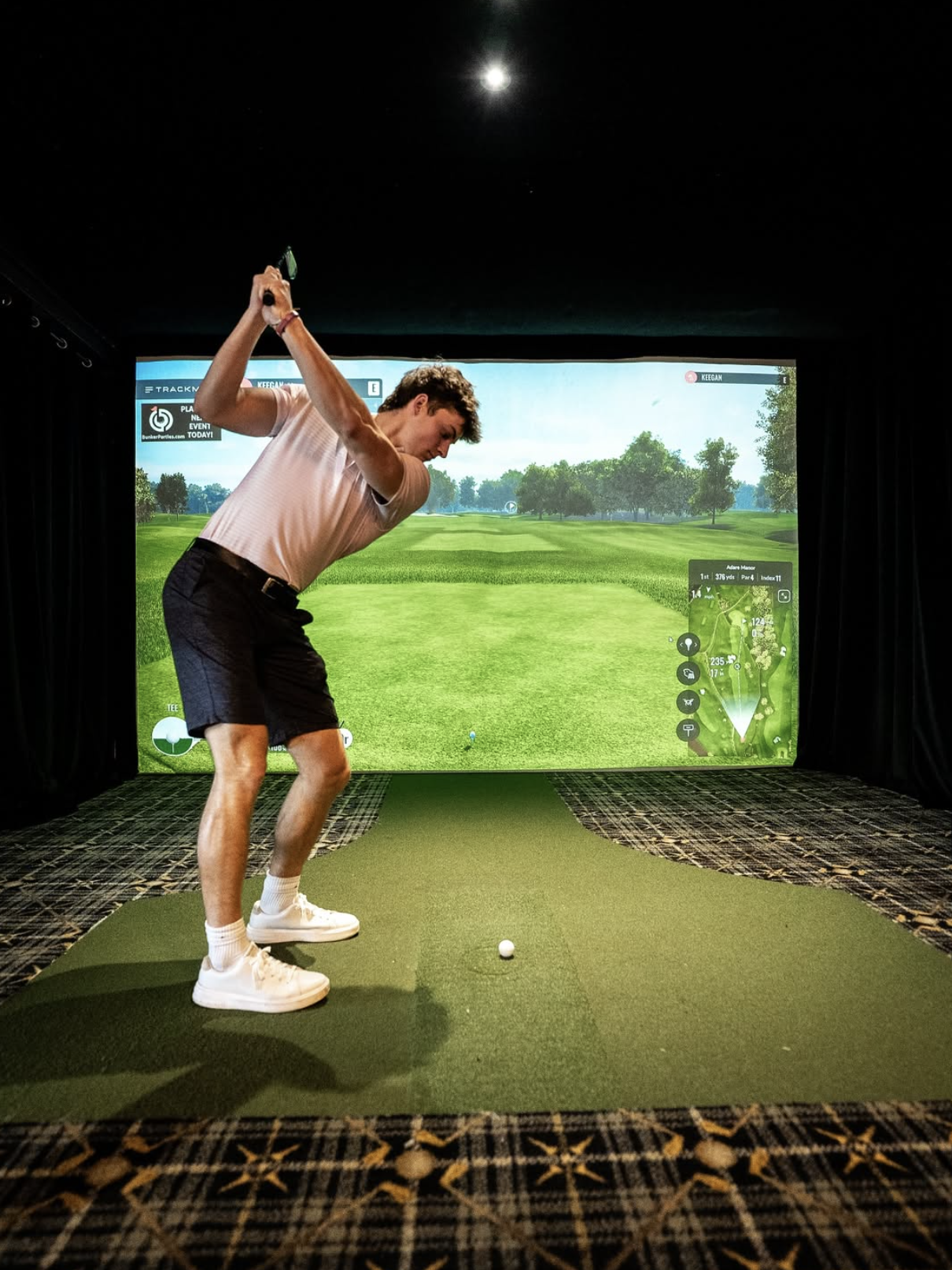
To fully understand the scope of golf simulator technology on today’s coaching game, just walk the PGA Show floor, and you’ll see company after company demonstrating their products and explaining why theirs is better than the next guy. From my experience, they all have something to offer, and the leaders in the industry continue to get better. Despite many golfers using — or in some cases, misusing — YouTube in their never-ending effort to get better at golf, elite coaches like McMahon remain busy in areas of the country that once saw their golfers store their clubs in the closet for the winter. Today, those golf bags remain by the front door, ready to hit the sims for league night, a weekend practice or their weekly lesson.

“The use of YouTube by golfers can be its own article,” McMahon says. “That’s where people get so confused about things, and they don’t know what to do. The ‘YouTube tips’ are like post-it notes and never seem to connect the dots or put it all together — often contradicting each other. Consistent lessons with a teacher can certainly produce a more stable foundation of understanding and solid execution. That’s where simulators today provide great opportunities both for the coach and for the golfer.”
Golf simulator technology can confuse many golfers as they use the products — sometimes in their very own homes. Simulator technologies generate a plethora of data — shots, spin, launch angle, club and golf ball statistics — that can be overwhelming, leaving most golfers in the dark about what to do with it all. The data information is valid, good and useful, but not always necessary in learning how to simply hit a solid shot.

However, McMahon confirms that there are many benefits to teaching with golf simulator technology. That same data, for instance, can help shape a winter player’s development program.
“The benefits of this technology include the ability to work on swing technique,” McMahon explains. The technology has been brilliantly designed to actually see the club face angle at impact and know the swing path — both extremely valuable. Being able to see and use the squareness of contact is such an effective coaching tool — almost more valuable than the data provided. It is immediate, relatable feedback for the student to understand the function of the club to actual ball flight. For those chasing speed and distance, squareness of contact (center-to-center) is the biggest factor.”

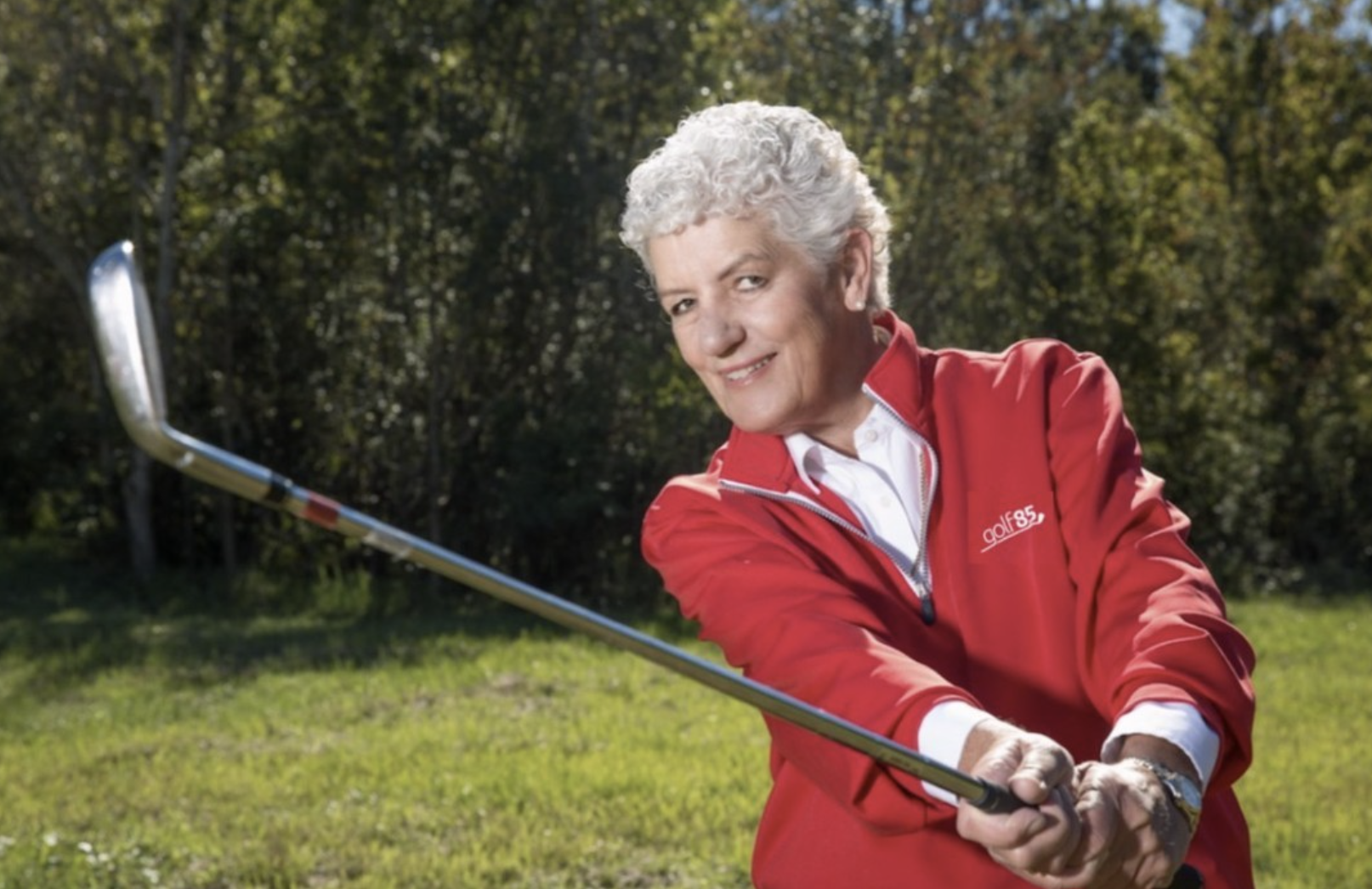
In addition, McMahon says, “Golfers are made in the off-season. We should be busier in the off-season.”
Simulators provide a golden opportunity to maintain the relationships with students forged during the golf season and provide a continued revenue stream to coaches in seasonal areas.
The structure of her indoor coaching engagement is similar to that of her traditional outdoor range lesson. She determines the student’s goals by asking questions about their experience in the game. In working with all students, she agrees not to change anything they don’t want to change. It’s a team decision. She leads them to the water and puts them in swing positions to determine if that elicits the desired improvement or change. With the agreed upon change, they can be more diligent and successful in their practice, knowing what and how to achieve the desired outcomes. As a result, she summarizes each lesson with something that can be practiced indoors at home between sessions that is specific, meaningful and impactful.
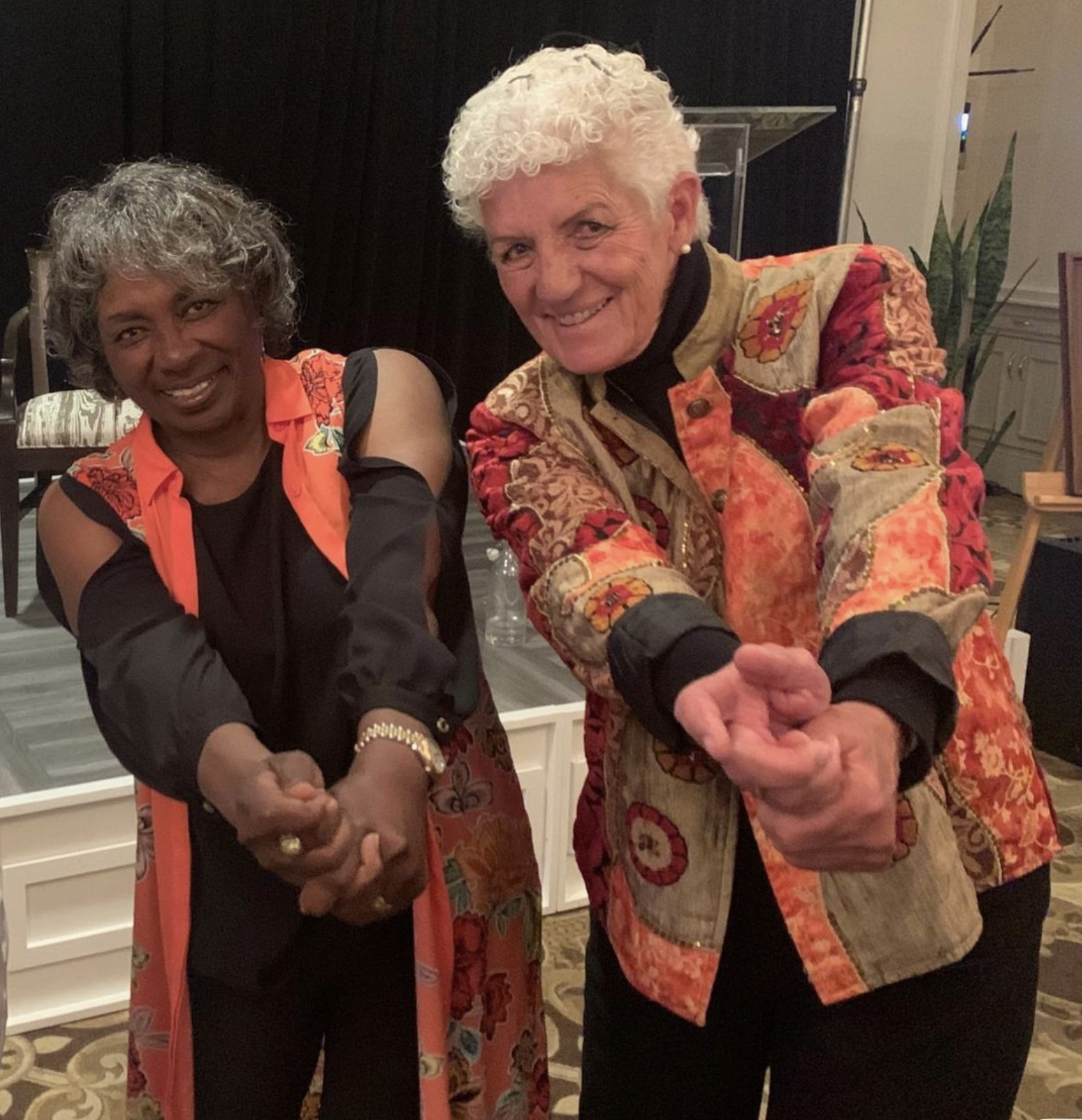
McMahon says that golfers, from her highly-skilled players to her beginners, who put in very conscious and deliberate practice in an off-season, stress-free environment (which simulators provide), do achieve their desired goals. The opportunity to do so in this stress-free, warm, simulated setting with an elite coach like Kay is the start in golf that every player should have.
She has always believed in the importance of getting her students on the golf course as soon as possible. Of course, that’s only possible when the weather warms up, but being able to use a golf simulator for on-course play is a very acceptable Plan B to actual green grass play.

The future is bright for Kay in this area of coaching, as she is working on an AI project that already has a working prototype that gives swing feedback in real time, not seconds later, but as the swing is being performed. She and her team have completed phase one and are currently preparing for phase two with great excitement and anticipation. By providing binary feedback rather than hard data, which is used behind the technology architecture, they are simplifying the benefits that technology has to offer. We look forward to hearing more about this project as the results come to fruition this year.



