

By Vinnie Manginelli, PGA
Bridget Ackley’s start in golf dates back to when she was just three years old. Her dad, an avid golfer himself, would bring her along to the course and hit balls with her in their backyard, stoking her love of the game. Growing up, she couldn’t wait to be part of the junior golfers at Westmoor Country Club in Brookfield, Wisconsin.
“What started as something fun to do with my family quickly turned into so much more,” Ackley recalls. “I discovered how much I loved competing, testing myself and learning from each round of golf. Just as importantly, I found a real sense of community and built friendships that made the game even more special. Those first years laid the foundation for both my passion for golf and my current career path.”
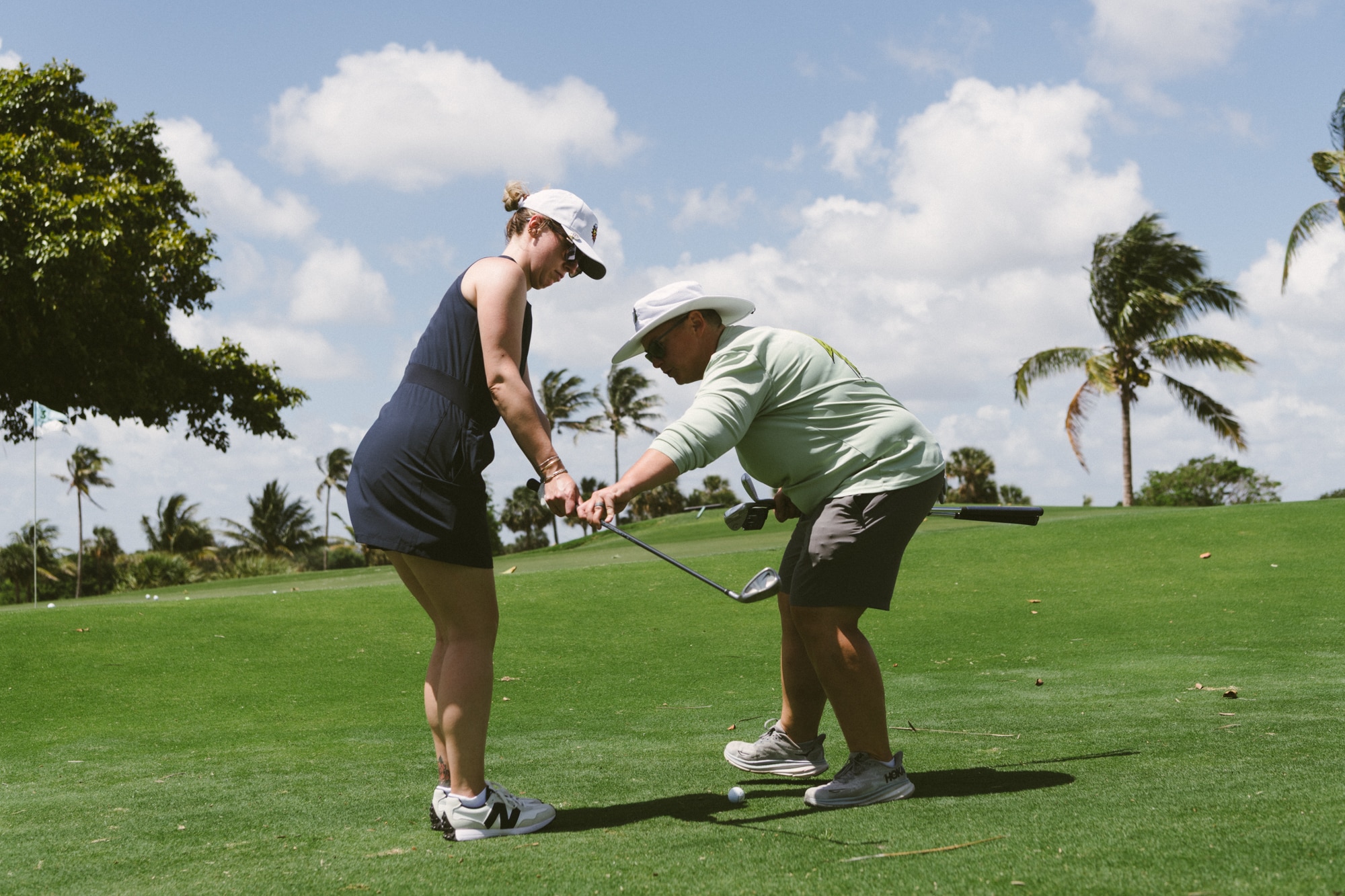

That road to PGA membership has been a combination of competition, education and mentorship. She carried the competitive spirit she gained as a youth into college golf, where she also developed discipline and resilience.
“While I always had an interest in the coaching side of the game, a serious car accident in college changed the course of my playing career,” she says. “That moment became a turning point for me and pushed me to fully embrace the path of developing my coaching skills, especially with juniors. It gave me a new sense of purpose in the game.”


Along the way, Ackley, a five-time GRAA Top 100 Growth of the Game Teaching Professional, has worked under several PGA of America Golf Professionals who modeled what it meant to be an authentic coach: “someone who teaches not only swing mechanics but also the life lessons the game provides.”
“Those mentors gave me the tools, inspiration and confidence to pursue coaching as a career,” she says. “Over time, I realized my purpose was not just to teach golf, but something greater. It was to use golf as a vehicle to connect with people, help them grow and make the game feel like home.”
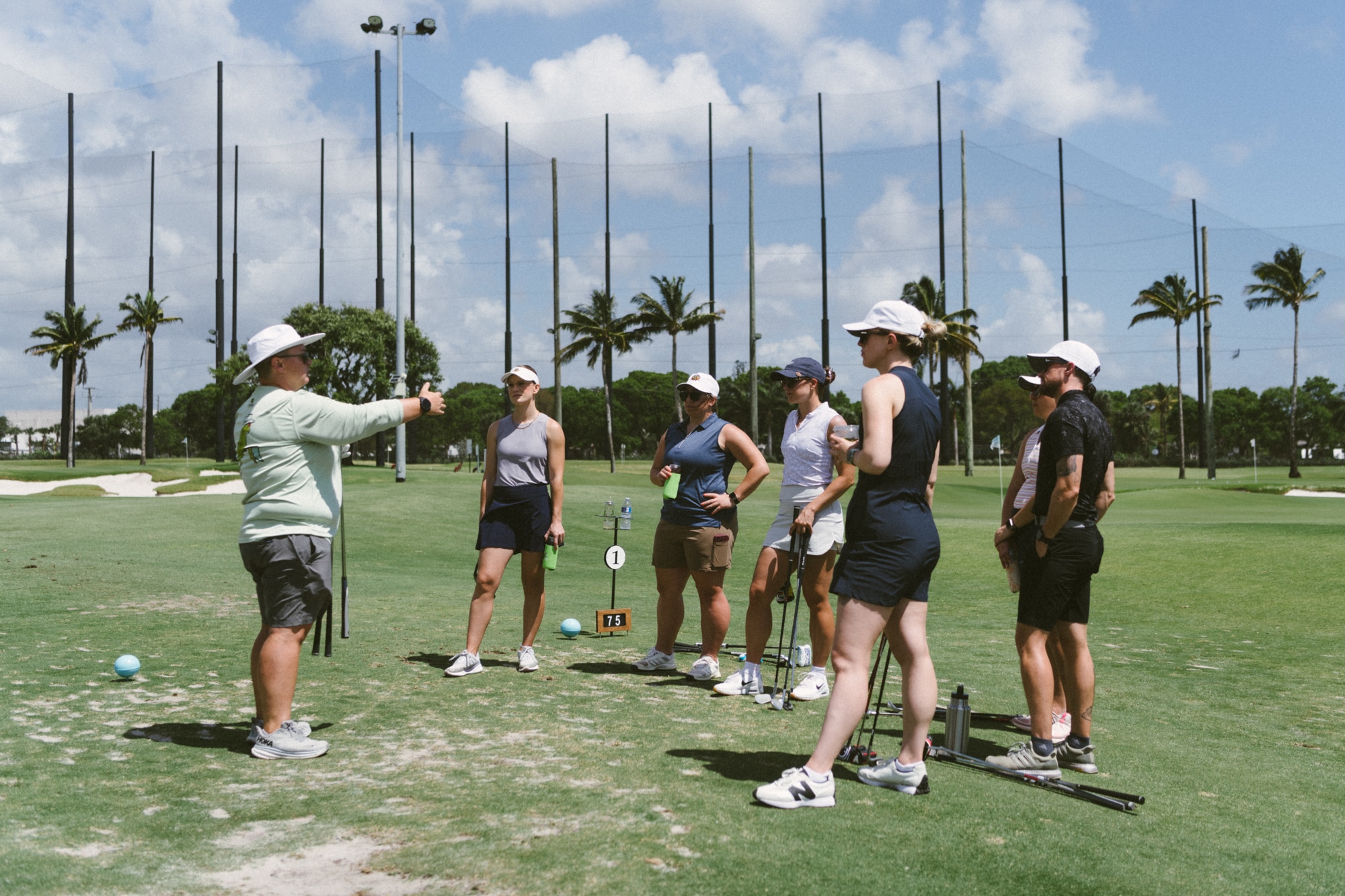

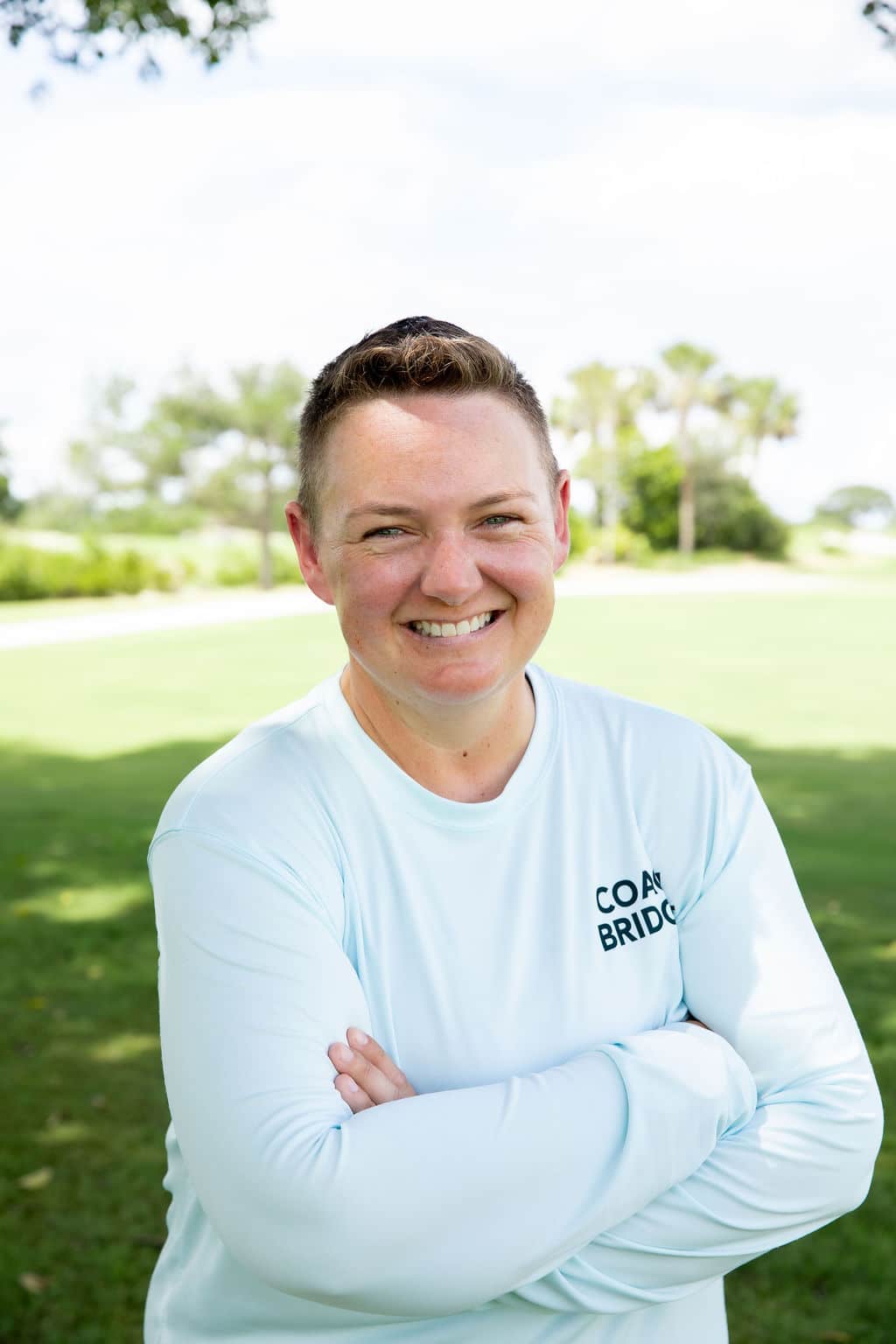
Today, Ackley is the Junior Golf Leader at The Park West Palm in West Palm Beach, Florida, a unique and welcoming facility whose mission is to make golf accessible to everyone, a vision Ackley has long shared.
With the 2021 South Florida PGA Section Youth Player Development and 2024 Section Player Development Awards under her belt, Ackley runs programs and provides lessons for players of all ages and levels of experience, including Birdie Basics (ages 3-5), junior weekly clinics powered by the U.S. Kids Golf curriculum (ages 5-13), PGA Jr. League, adult clinics and PGA HOPE.
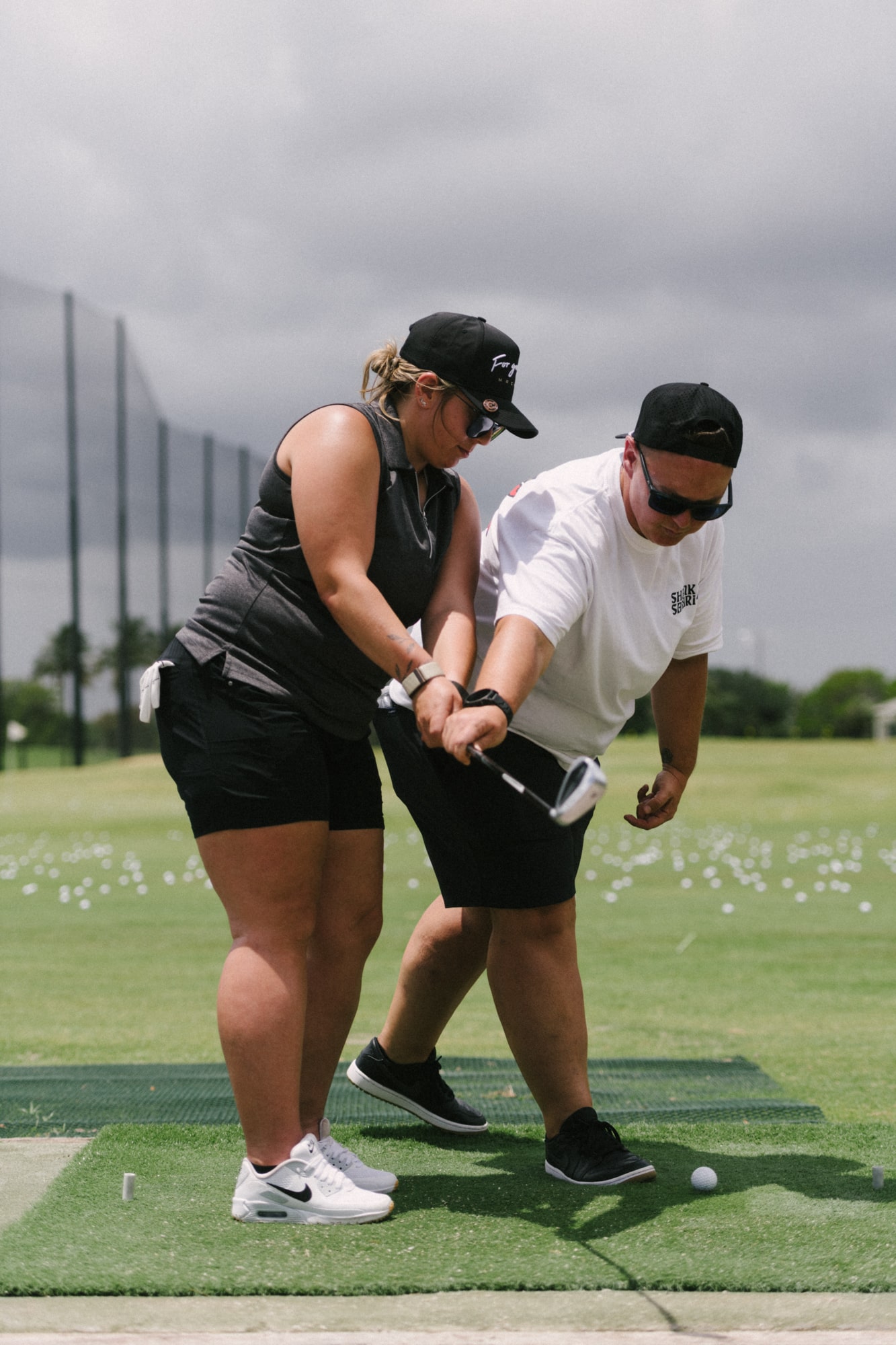

She opines, “One of my favorite aspects of the job is witnessing children grow through various programs. Watching a child who started in Birdie Basics progress to confidently compete in the PGA Jr. League is incredibly rewarding.”
To support her coaching, Ackley utilizes technology such as Trackman, Sportsbox AI, BodiTrak and video analysis. These tools provide players with clear and accurate feedback, making the learning process more engaging.
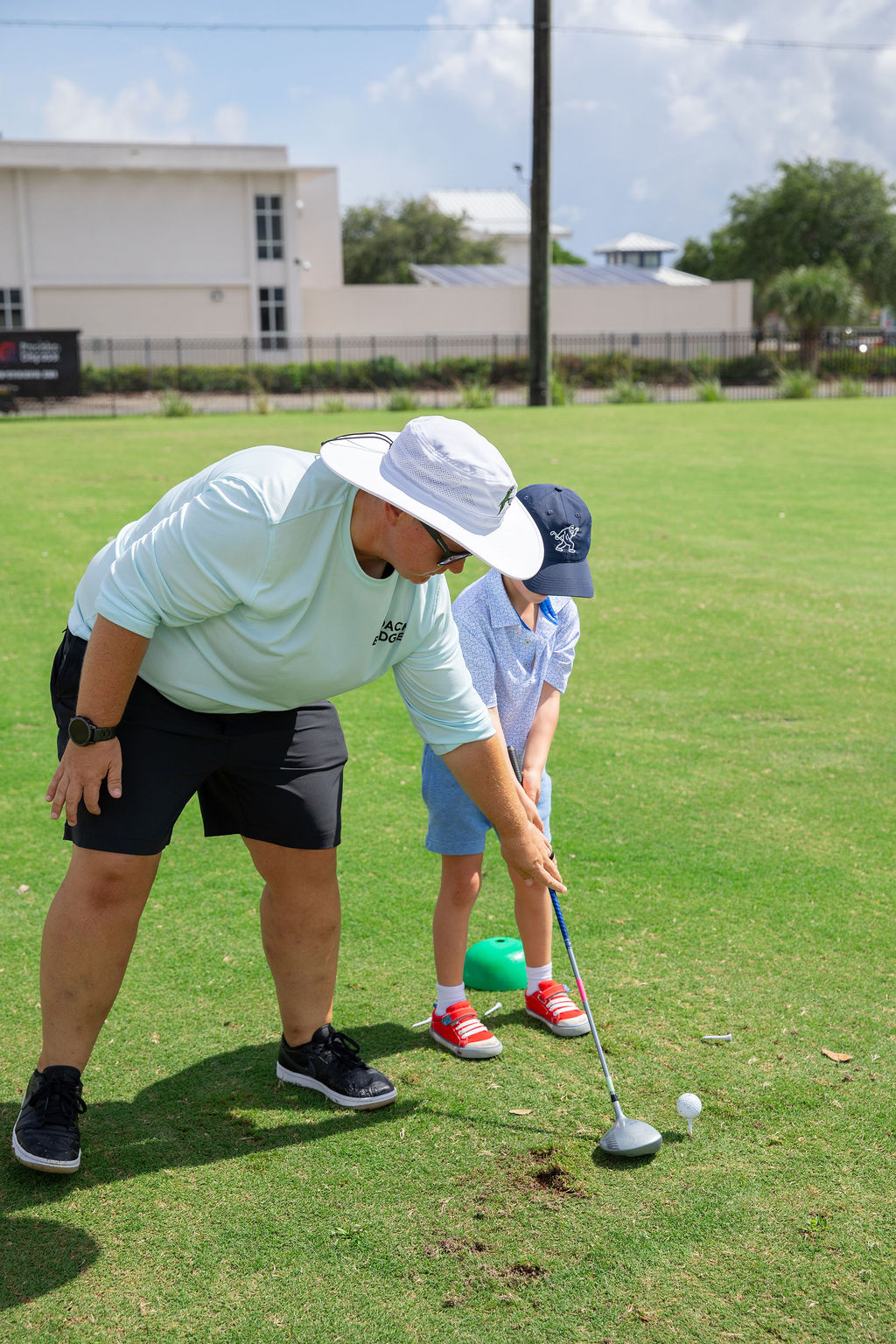

“The backbone of my coaching is rooted in prioritizing fun in the game, as well as the ADM Model and TPI, which both emphasize building the athlete first,” she explains. “By helping juniors improve their athletic abilities through activities such as jumping, throwing, balancing and rotating, we lay the foundation not only for more substantial golf swings, but also for overall athletic development. At the heart of it, the real magic comes from blending that science with the relationships built on the lesson tee and the joy of learning together.”
As she looks ahead, Ackley sees an ongoing shift toward making the game more accessible and enjoyable for everyone. She believes that PGA of America initiatives like PGA Jr. League and PGA HOPE are proof that golf can create a sense of belonging and bring people together in powerful ways.
In addition, she understands that technology will keep evolving with AI and continue to transform golf instruction. It will enable coaches to connect with players in new ways, both in person and virtually.
“Beyond swing analysis, I see the future of golf instruction moving toward a more holistic approach, where we are building not just better swings but better athletes and better people,” she says. “As I mentioned, a big part of that for me is the ADM Model and TPI, which focus on athletic development and movement. Helping my students move better athletically is always a priority, because when they can move well, they can swing well. More importantly, they build confidence and skills that carry over into every sport and every part of life. That whole-athlete approach is where I see the most significant impact and the greatest opportunity for the future of golf.”



