By Vinnie Manginelli, PGA
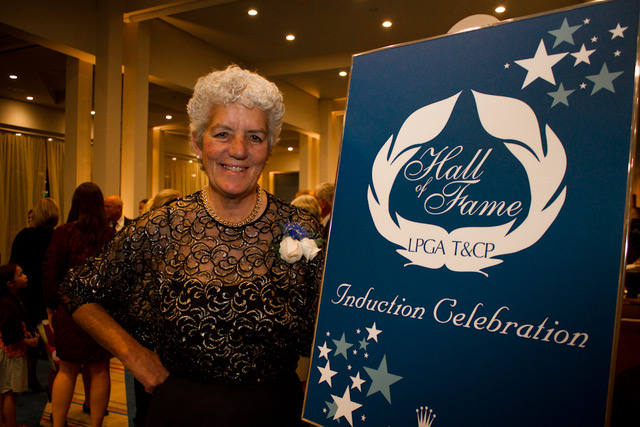
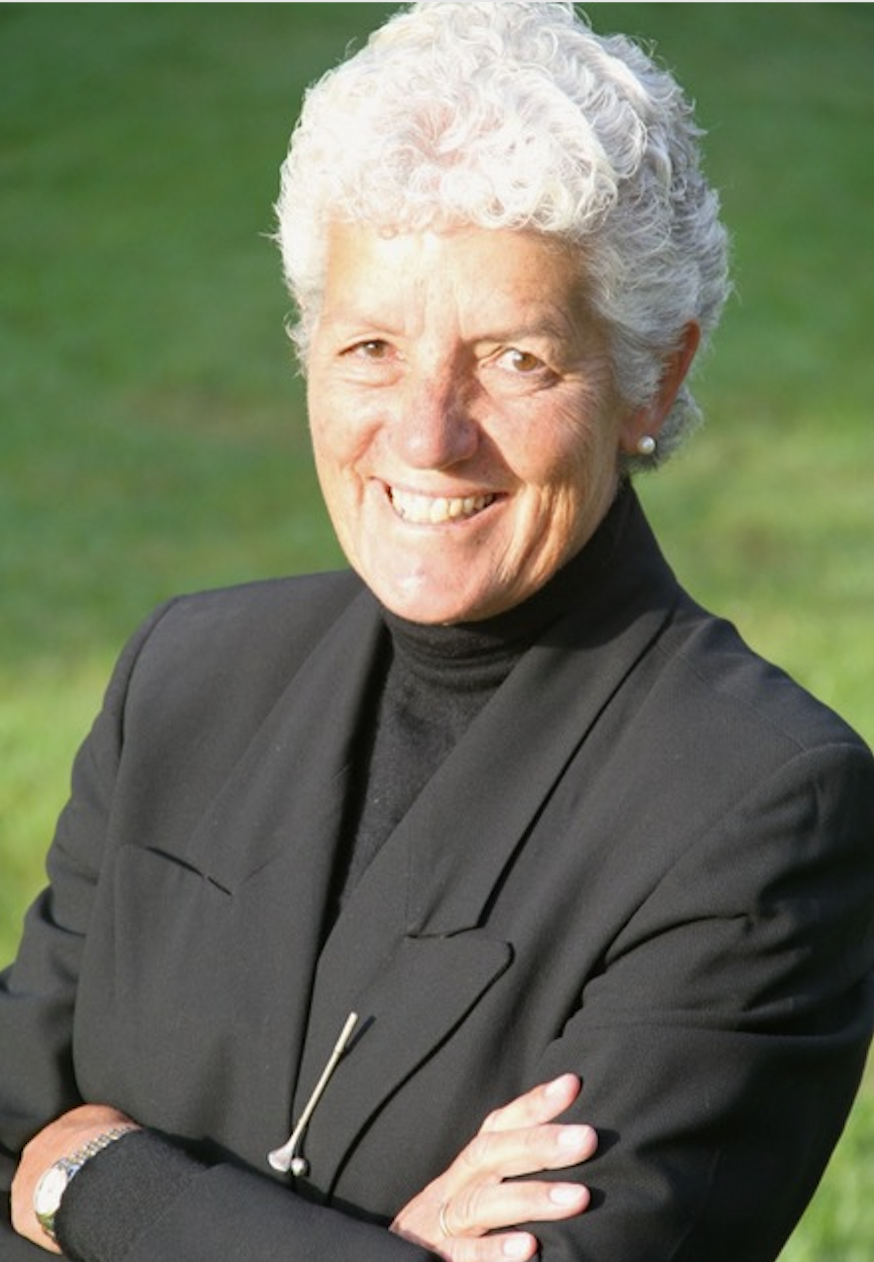
Kay McMahon is an LPGA Professionals Hall of Fame coach and award-winning PGA of America Teaching Professional. She is a former national LPGA Teacher of the Year and has garnered Teacher of the Year honors in her PGA Section four times. She is a Golf Range Association of America (GRAA) Elite Growth of the Game Teaching Professional and a Quarter Century PGA Member. Her accolades and accomplishments alone can consume most of this story. The lessons, clinics, workshops and golf schools facilitated under her eduKaytion golf brand have changed the way coaches coach and golfers learn using her simplified trademark approach of Golf 8.5.
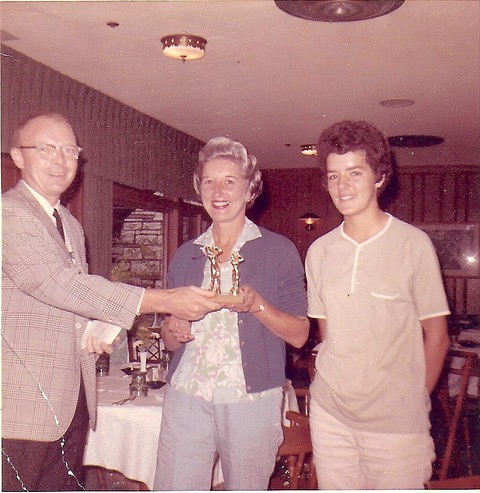
Kay & Mom – Dorothy McMahon Winning the Mother-Daughter Tournament at Wayzata Country Club
I was not only fortunate to meet up with Kay at the recent PGA Show in January for a brief chat on the Show floor, but further enjoyed some time on the phone after we both made our way home to the Northeastern New York PGA Section. Kay McMahon is the subject of our Five Questions GRAA Monthly Feature:
Golf Range Magazine: Where and when did you get your start in golf, and who got you into the game? Did you play golf in high school or college?
McMahon: I grew up in Hopkins, Minnesota, a suburb of Minneapolis. We were into many sports back then, but when I was about five or six years old, my father built a mini three-hole golf course around our yard that was on the end of a culdesac. We used flower pots with little flags in them, and he cut down the greens for us to putt on. Legend has it we charged the neighborhood kids 10¢ to play nine holes – a penny per hole and another penny for club rental. How true this part of the story really is blurs more as the years go by. We did sell lemonade in our garage, making us young entrepreneurs, and I do recall we had a lot of kids in our neighborhood!
Although my father built our course, my mom made the lemonade…and they both played golf at the time. I attribute my passion for golf to both of them. We joined Wayzata Country Club, and I grew up there, playing as a teenager.
Having attended an all-girls academy, I didn’t play high school golf. There was no team. I attended the University of Minnesota Duluth for a physical education and health B.S. degree, but did not play golf there either. I started playing serious competitive golf just after college and won the Minnesota State Public Links Tournament twice in my early 20s. Prior to those post-college events, the extent of my competitive golf was the annual Mother-Daughter event at Wayzata CC. There were traditionally two groups — my mother and I, and another mother and daughter. That’s it! My mom and I won each year.


Golf Range Magazine: When did you know you wanted to be a PGA of America and or LPGA Golf Professional, and what challenges have you faced in your journey through what has always been considered a male-dominated industry?
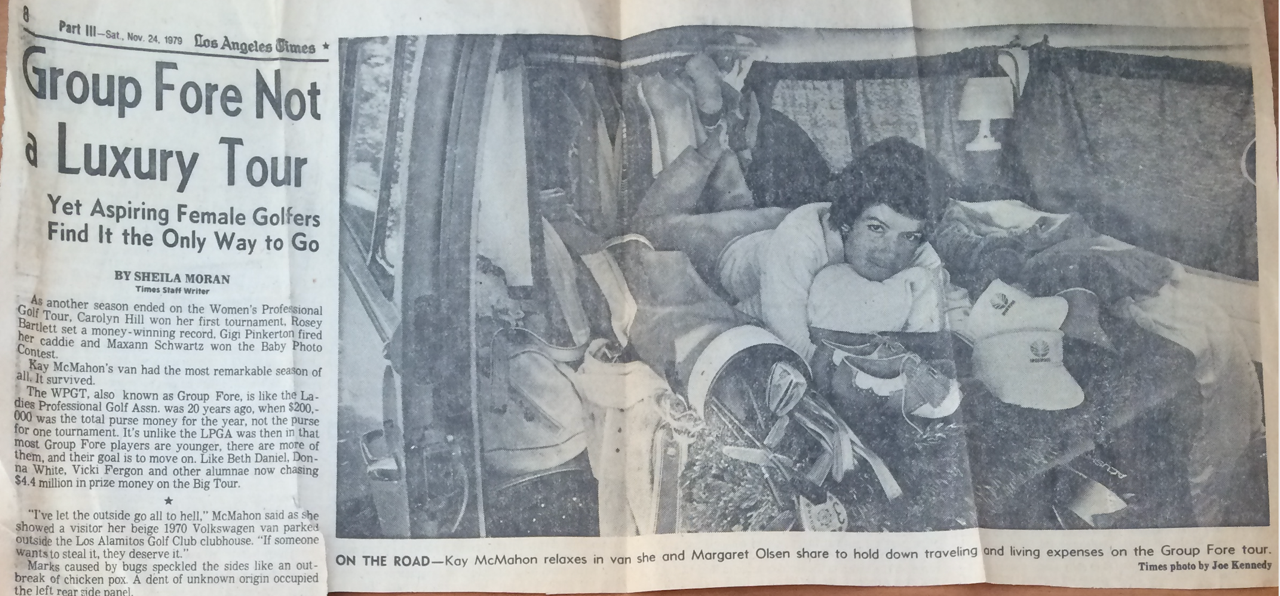
McMahon: I always knew I wanted to be in athletic education, coaching and sports, but winning those state golf amateurs motivated me to want to turn professional. So, I bought a Volkswagen van and drove to California to find my fame and fortune. After all, the golf season was very limited in Minnesota, so I needed to go somewhere where I could play year-round. After a few winters in California, I joined the American Golf Tour, a co-ed golf tour for budding professional golfers. I was one of two women in the tour at the time. The other woman played for two weeks and left for the Women’s Professional Golf Tour. I did the same about six months later when the American Golf Tour ran out of money. With only about a dozen women on the WPGT, my first paycheck as a professional golfer was for $10.50.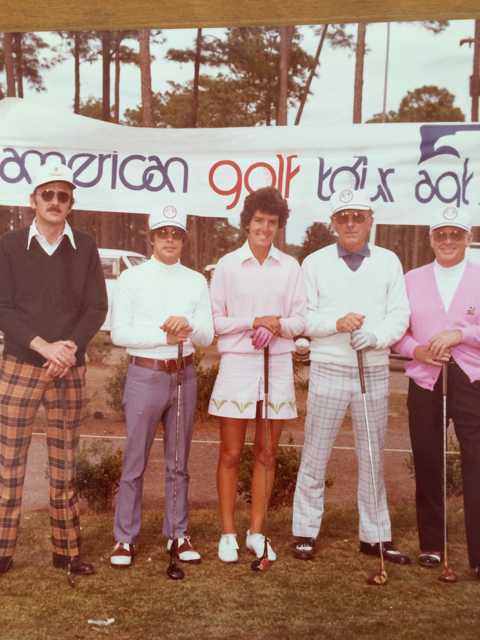
As far as challenges go, there have been some. For instance, during my initial pursuit of a green grass position in a golf shop in Southern California, I was told by the pro that he could hire me “as an experiment in the golf shop.” Well, with $75 in my bank account, I needed money to fund my professional playing pursuits. I was hired in the golf shop, fought for the right to teach (something that was initially refused) and even got paid during my time at qualifying school. I would spend 10 years at that facility, and worked for a great professional whose first impression may not have been stellar, but it was the break in golf I needed, and I made the most of it throughout my career, even playing many times with Arnold Palmer and several other legends of the game.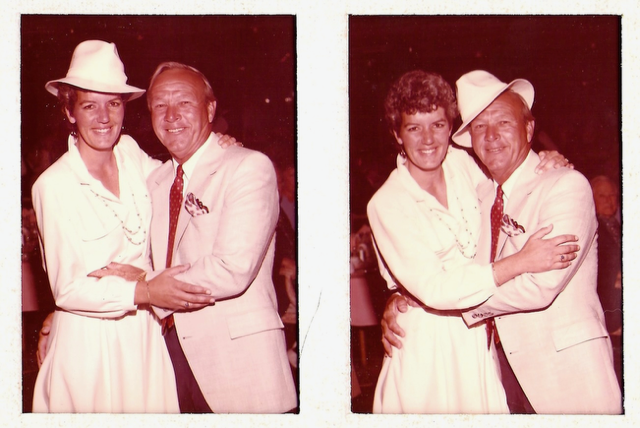
Golf Range Magazine: What’s trending in your programming and instruction at your facility?
McMahon: During the pandemic a few years ago, I conducted many five-week webinars where I spoke about everything from short game to mental strategies. My students got better simply through these discussions, proving the power of communication.
Since then, I started conducting live online lessons, where the golfer is set up at a range or in his or her backyard, swinging a club and hitting balls, and I evaluate and advise based on their performance, experience, skill level and goals. I record the lessons using Zoom and take photos of my computer screen that I share with them via text using the Onform app. This live remote engagement has proven effective, and it has significantly broadened my student base.

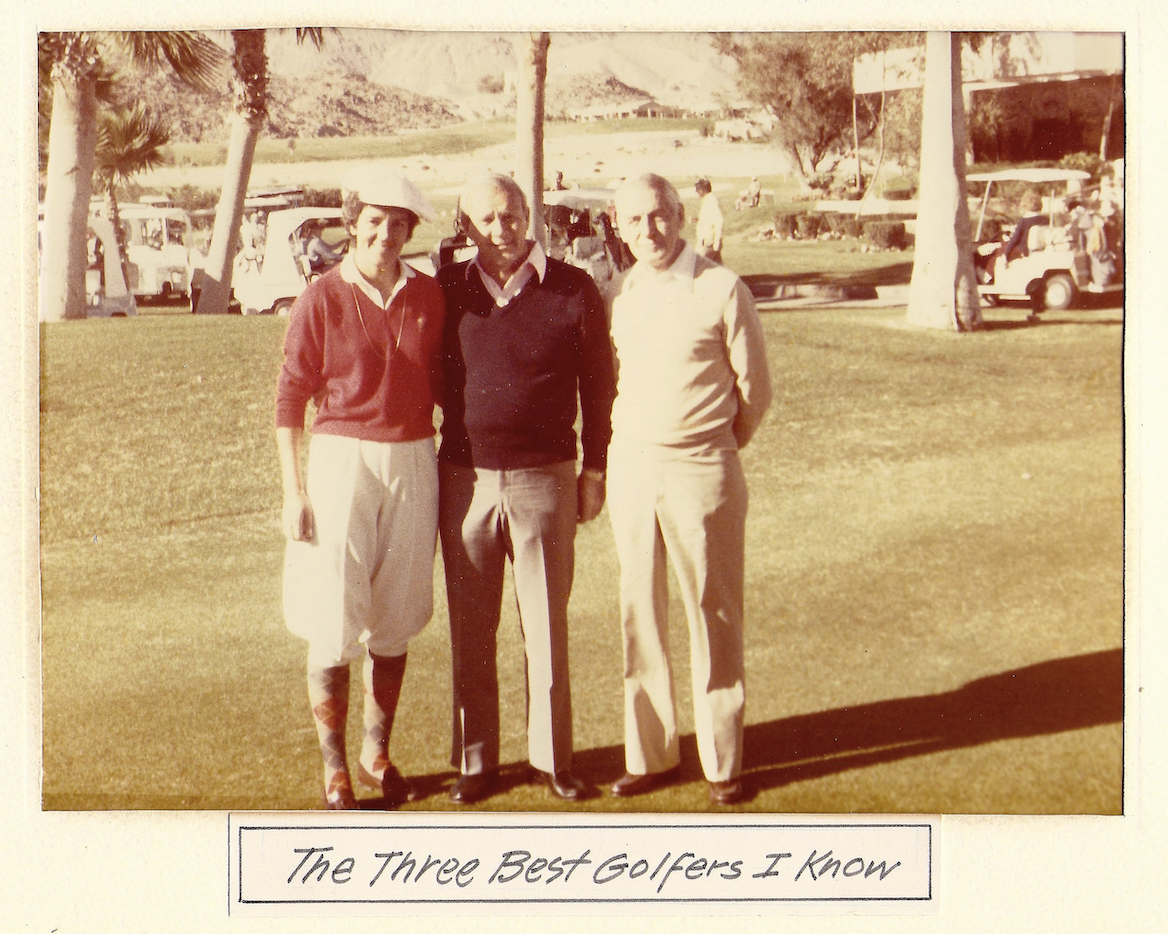
Kay – Arnold Palmer – Dad – Mike McMahon
Golf Range Magazine: What is your favorite part of the game of golf? The business of golf?
McMahon: My favorite part of playing the game of golf is the feeling you get from hitting that solid shot. It feels like nothing and everything altogether!
When it comes to the business of golf, I love seeing that “aha moment” in someone’s eyes when they just did something that they didn’t think they could do.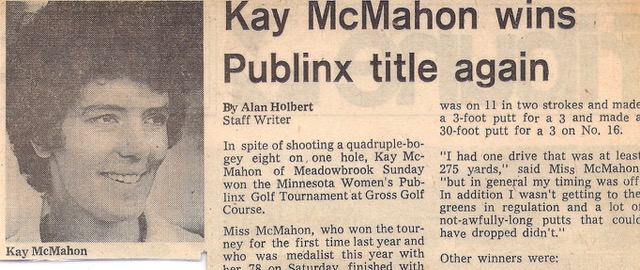
Golf Range Magazine: What does the future hold for you in golf? What’s on the horizon in teaching and mentorship as a proven leader in golf coaching and instruction?
McMahon: I am working on an AI project that already has a working prototype that gives swing feedback in real time, not seconds later, but as the swing is being performed — instantaneously. My team and I have completed phase one and are currently preparing for phase two with great excitement and anticipation. By providing binary feedback rather than hard data, which is used behind the technology architecture, we are simplifying the benefits that technology has to offer. I will have more to share on this as we develop the platform and advance through the project.